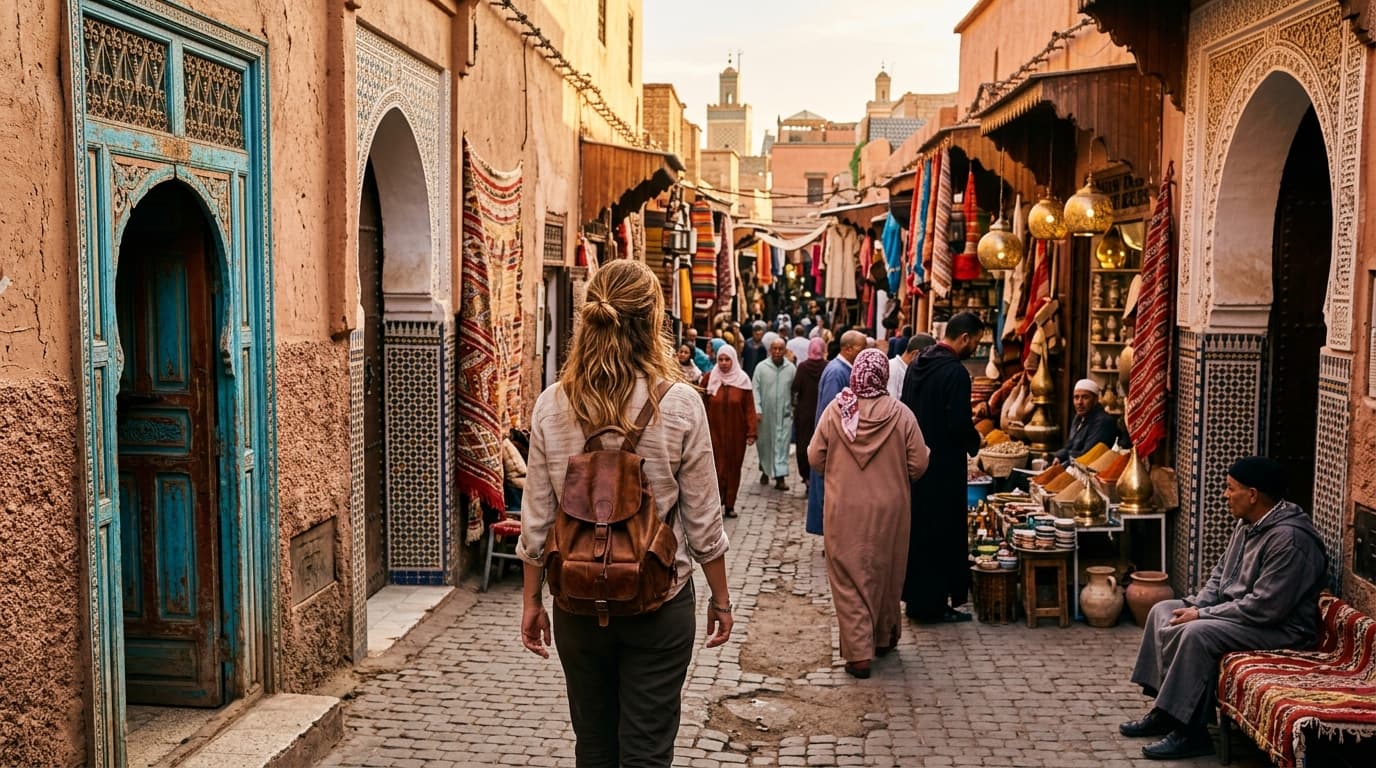
Morocco Safety Guide: What Every Traveler Needs to Know
I've spent two years living in Marrakech and traveled extensively through Morocco's medinas, mountains, and deserts—and I can tell you honestly: Morocco safety concerns often loom larger in travelers' minds than reality warrants. Yes, petty crime exists. Yes, you'll encounter aggressive touts. But millions of tourists visit safely every year, and with practical awareness, you'll be fine.
This guide cuts through the fear-mongering and gives you the real story based on our team's firsthand experience and current official travel advisories.
Key Takeaways
| Question | Answer |
|---|---|
| Is Morocco safe for tourists? | Yes. Morocco is generally safe; petty theft and scams are the main concerns, not violent crime. |
| What's the biggest safety risk? | Pickpocketing in crowded medinas and transport hubs. Stay aware and use common sense. |
| Should I travel alone? | Yes, solo travel is safe here—especially for women with basic precautions. |
| What about nighttime safety? | Avoid walking alone late at night in unfamiliar areas; use taxis or ride-hailing apps instead. |
| Do I need travel insurance? | Highly recommended. Check our travel insurance guide for options. |
| Which cities are safest? | Marrakech, Fes, and Casablanca are well-established tourist destinations with good safety records. |
1. The Real Safety Picture in Morocco
Morocco consistently ranks as one of Africa's safest countries for tourists. According to the UK Foreign Office and US State Department travel advisories, the main concerns are petty crime (pickpocketing, bag snatching) and occasional scams—not violent crime against visitors. During our two years in Marrakech, we witnessed far fewer incidents than in many European cities.
That said, Morocco safety isn't about being paranoid; it's about being aware. The country has a robust tourism infrastructure, police presence in tourist areas, and locals who genuinely want visitors to have good experiences. We've walked through the medina at dusk, taken late-night taxis, and navigated crowded souks without incident—because we used basic street smarts.
Understanding the Crime Statistics
The crimes that affect tourists are overwhelmingly non-violent. Pickpocketing in crowded markets, bag snatching from café tables, and overcharging by unofficial guides are the typical issues. Violent crime against tourists is rare enough that it makes headlines when it happens. Our experience aligns with what we've heard from hundreds of travelers: the biggest "crime" most people encounter is paying too much for a carpet or mint tea.
Regional Variations
Safety varies by region. Marrakech, Fes, and Casablanca are heavily touristed and well-policed. The Sahara and South regions are generally safe, though remote areas require more caution. The Atlas Mountains are excellent for trekking with guides. Avoid the far northern border regions near conflict zones—check current advisories before traveling there.
Did You Know? Morocco welcomed over 9.3 million international tourists in 2022, with no significant spike in safety incidents. The vast majority of visits are incident-free.
Source: Visit Morocco Official
2. Petty Crime: What to Watch For and How to Avoid It
Petty crime is the real concern in Morocco, and it's entirely preventable with awareness. We've never been robbed, and we know hundreds of travelers who haven't either—but we've all heard stories from people who weren't paying attention. The good news: it's not random. It targets careless tourists.
Pickpocketing happens in crowded medinas, train stations, and buses. Bag snatching from café tables or shoulders is common in tourist hotspots. Overcharging and scams are more annoying than dangerous—unofficial "guides" steering you to their cousin's shop, taxi drivers taking long routes, or merchants insisting you owe more than agreed.
Common Scams and How to Avoid Them
When we first arrived in Marrakech, we fell for a few minor scams—nothing serious, just expensive lessons. Here's what we learned:
- The "helpful stranger" scam: Someone approaches offering directions or help, then demands payment. Solution: Politely decline unsolicited help. If you need directions, ask a shopkeeper or police officer.
- Fake guides: Unofficial guides offer tours at "special prices," then demand 3x the amount at the end. Solution: Book through your hotel or hire official guides from established companies.
- Inflated taxi fares: Drivers claim meters are broken or quote exorbitant prices. Solution: Use official white taxis with meters, or request your hotel to call one. Better yet, use ride-hailing apps where available.
- Restaurant bill surprises: You order mint tea (3-5 MAD / $0.30-0.50 USD), and they charge 20 MAD ($2 USD). Solution: Agree on prices before ordering, especially in tourist areas.
Protecting Your Belongings
During our time in the medinas, we adopted simple habits that worked:
- Keep valuables close: Use a crossbody bag worn in front, not a backpack. Money belts work but are uncomfortable; we preferred front pockets and small bags.
- Don't flash expensive items: Leave fancy watches, jewelry, and new cameras in your hotel safe. Use a basic phone for navigation.
- Avoid crowded transport during peak hours: If you must take a bus during rush hour, keep your bag in front and hands on it.
- Use hotel safes: Never leave passports, extra cash, or electronics in your room. Every riad and hotel has a safe.
- Photocopy important documents: Keep copies separate from originals.
3. Women Traveling Alone in Morocco
Women solo travelers ask us this constantly, and our honest answer: yes, it's safe, but you'll experience harassment that men don't. This isn't unique to Morocco—it's a reality in many countries—but it's worth addressing directly.
During our time here, we've seen countless solo female travelers exploring confidently. The harassment is usually verbal (catcalls, persistent vendors) rather than physical. It's annoying, sometimes exhausting, but manageable with the right mindset and strategies.
Practical Strategies for Women
Moroccan culture is conservative, and dressing respectfully reduces unwanted attention significantly. We're not saying cover completely—many Moroccan women wear jeans and t-shirts—but showing less skin (covering shoulders, knees, and cleavage) makes a real difference. In Marrakech and tourist areas, standards are more relaxed, but in smaller towns and rural areas, modest dress is appreciated and safer.
- Dress conservatively: Loose-fitting clothes, covered shoulders and knees. Avoid tight clothing or swimwear outside beach areas.
- Wear sunglasses and headphones: Creates a "don't talk to me" barrier that works surprisingly well.
- Stay in female-friendly accommodations: Riads with female owners, hostels with good reviews for solo travelers, or hotels in central tourist areas.
- Join group tours for activities: Cooking classes, market tours, and day trips are safer and more fun in groups. You'll meet other travelers too.
- Trust your gut: If someone makes you uncomfortable, walk away. There's no obligation to engage.
- Learn basic French or Arabic phrases: A simple "Non, merci" (No, thank you) or "Shukran" (Thank you) goes far. Locals respect effort.
4. Transport Safety: Buses, Taxis, and Grand Taxis
Getting around Morocco safely is straightforward if you use the right options. We've taken hundreds of journeys—buses between cities, taxis through medinas, grand taxis to mountain villages—and had zero safety issues. The key is choosing reputable operators and following basic precautions.
Long-Distance Buses and Trains
For traveling between cities, buses and trains are safe and reliable. Major companies like CTM and Supratours operate modern fleets with professional drivers. Trains are even safer—the Casablanca-Marrakech route is scenic and secure. Avoid traveling at night if possible; daytime journeys are more comfortable and safer.
Budget option: Grand taxis (shared minibuses) are cheaper than buses but more chaotic. They're safe but cramped and often depart only when full. Use them for short regional trips, not long distances.
Pro tip: Book buses and trains in advance through your hotel or official websites. This avoids confusion and ensures you're on a legitimate service.
City Taxis and Ride-Hailing
In Marrakech and Casablanca, official white taxis with meters are abundant and safe. Insist the driver uses the meter or agree on a price beforehand. If the meter looks suspicious, get out and find another taxi—there are thousands.
Ride-hailing apps (Uber, Careem, Bolt) operate in major cities and are excellent for safety—no negotiation, transparent pricing, and a digital record. We use them whenever available, especially at night. They're slightly more expensive than taxis but worth the peace of mind.
Avoid unmarked taxis at night or in unfamiliar areas. Stick to official white taxis or apps.
5. Health and Medical Safety
Morocco's healthcare system is decent in major cities but varies in rural areas. We've visited clinics in Marrakech and Fes and found competent doctors and clean facilities. However, standards aren't always consistent, and serious emergencies are better handled in larger cities or repatriated to Europe.
Vaccinations and Precautions
Check with your doctor before traveling, but typical recommendations include:
- Routine vaccinations: Ensure you're up-to-date (MMR, tetanus, etc.).
- Hepatitis A: Recommended for most travelers.
- Typhoid: Consider if visiting rural areas.
- Yellow fever: Not required for Morocco but may be required if you're traveling from certain countries.
- Malaria: Not present in most of Morocco, but check current guidelines for southern regions.
Tap water in cities is generally safe, but many travelers stick to bottled water to be cautious. We drink tap water in our Marrakech apartment without issue, but tourists' stomachs are sometimes more sensitive. Bottled water is cheap (3-5 MAD / $0.30-0.50 USD per liter) and widely available.
Food Safety
Moroccan food is delicious and generally safe if you eat where locals eat. Street food is fine—those busy stalls have high turnover, meaning fresh ingredients. Avoid food that's been sitting out, and be cautious with raw vegetables in budget establishments. Our Moroccan food guide covers safe eating in detail.
6. Scams Specific to Tourist Areas
Certain scams target tourists specifically. We've documented these through conversations with other travelers and our own close calls. Knowing them means you'll spot them immediately.
The Carpet and Souvenir Trap
This is the classic. A "friendly local" befriends you, invites you for mint tea, then steers you to a carpet shop where you're pressured to buy overpriced items. The shop owner and your "friend" split the commission. It happens constantly in Fes and Marrakech.
How to avoid it: Politely decline invitations from strangers. If you want to buy carpets, go to established shops or ask your hotel for recommendations. Agree on prices before purchasing anything.
The Fake Police Officer
Less common but documented: someone in a uniform claims to be police and asks to check your passport or bag, then demands money for "violations." Real police have ID and won't demand cash on the street.
What to do: Ask for their official ID. If they can't produce it or become aggressive, walk toward a busy area or police station. Real police won't follow you or escalate.
The Overpriced Tour
Tours booked from the street or through unofficial channels often cost 2-3x the legitimate price. A camel trek that should cost 150 MAD ($15 USD) gets quoted at 400 MAD ($40 USD).
Solution: Book through your hotel, established tour operators, or online platforms with reviews. Prices are transparent and fair.
7. Natural Hazards and Weather Safety
Morocco's geography brings specific hazards. The Atlas Mountains can be dangerous in winter. The Sahara has extreme heat. Coastal areas have strong currents. None of these are reasons to avoid these regions—just reasons to prepare properly.
Mountain Trekking Safety
Trekking in the Atlas is incredible and safe if you hire a guide. We've trekked to Mount Toubkal (3,844m) and through Berber villages without incident. Guides know the terrain, weather patterns, and can handle emergencies. Never trek alone in mountains; hire through your hotel or established companies.
Best season: April-May and September-October. Winter (December-February) brings snow and cold; summer is scorching.
Desert Travel
The Sahara is beautiful but unforgiving. Heat exhaustion, dehydration, and getting lost are real risks. Always travel with experienced desert guides and tour operators. Bring plenty of water (at least 3 liters per day), sunscreen, and a hat. Tours typically include guides, transportation, and accommodation—book through reputable companies.
Beach Safety
Morocco has stunning beaches, but some have strong currents and undertow. Swim only in designated areas and ask locals about conditions. Beaches near tourist centers (Marrakech day trips to Essaouira, Casablanca beaches) are monitored and safe.
8. Documentation and Legal Issues
Carry your passport or a photocopy at all times. Police occasionally ask for ID, though it's rare for tourists. Keep originals in your hotel safe and carry copies. Losing your passport is a hassle but manageable—contact your embassy immediately.
Drugs and Legal Consequences
Morocco has strict drug laws. Possession of even small amounts of cannabis can result in fines, imprisonment, and deportation. We've heard stories of tourists spending weeks in jail over minor infractions. It's not worth the risk—avoid drugs entirely.
Alcohol and Ramadan
Alcohol is legal and widely available in tourist areas, but consumption is culturally sensitive, especially during Ramadan (the Islamic holy month of fasting). During Ramadan, eating, drinking, and smoking in public during daylight is disrespectful. Many restaurants close during the day. Check Morocco's seasonal guides to see when Ramadan falls during your visit.
9. Emergency Contacts and Resources
Save these numbers before you travel:
- Police: 19 (or 17 for gendarmerie)
- Ambulance: 15
- Fire: 18
- Tourist police (in major cities): Available at police stations
- Your embassy: Keep contact info in your phone and written down
Most hotels have English-speaking staff who can help in emergencies. Tourist police in major cities speak English and are accustomed to helping visitors. Don't hesitate to ask for help—Moroccans are generally helpful and hospitable.
Travel Insurance
Seriously, get travel insurance. It's cheap (often $20-50 USD for a week) and covers medical emergencies, evacuation, trip cancellations, and lost baggage. Check our travel insurance guide for options and recommendations.
10. Practical Safety Checklist Before You Go
Before arriving in Morocco, prepare:
- Register with your embassy: Many countries allow you to register your travel plans. It helps if you need emergency assistance.
- Get travel insurance: Non-negotiable. Medical evacuation from remote areas can cost thousands.
- Share your itinerary: Tell someone at home where you're going and when you expect to check in.
- Download offline maps: Google Maps works offline. Download maps of cities you're visiting.
- Notify your bank: Tell them you're traveling so they don't block your cards.
- Get copies of important documents: Passport, visa, insurance, hotel bookings. Store digitally and physically.
- Learn basic French or Arabic: Even a few phrases help. Download a translation app as backup.
- Check current travel advisories: Visit your government's travel advisory website before booking.
| Safety Measure | Importance | Cost |
|---|---|---|
| Travel Insurance | Essential | $25-60 USD per week |
| Offline Maps | High | Free |
| Emergency Contacts List | Essential | Free |
| Copies of Documents | High | Free |
| SIM Card or eSIM | High | 50-100 MAD ($5-10 USD) |
| Hotel Safe Usage | Essential | Free |
Frequently Asked Questions
Is it safe to travel to Morocco right now?
Yes. Morocco is open to tourists and considered safe. Check current travel advisories from your government (UK Foreign Office, US State Department) for the latest information, but there are no widespread safety concerns affecting tourists.
What's the safest city in Morocco?
Marrakech, Casablanca, and Fes are all safe for tourists. Marrakech has the most developed tourism infrastructure. Smaller towns are safe too but have fewer tourist services. Avoid the far northern border regions near conflict zones.
Should I use taxis or ride-hailing apps?
Both are safe. Official white taxis with meters are reliable and cheap. Ride-hailing apps (Uber, Careem) are available in major cities and offer transparency and a digital record. Use whichever is convenient—we use both.
What should I do if I'm pickpocketed?
Report it to police (they'll issue a report for insurance claims), contact your embassy if your passport is stolen, and notify your bank if cards are taken. Prevention is better—keep valuables in a money belt or front pocket, not a backpack.
Is it safe to eat street food?
Yes. Moroccan street food is delicious and safe if you eat where locals eat. Busy stalls mean fresh ingredients and high turnover. Avoid food sitting out in heat, and be cautious with raw vegetables in budget establishments.
Can I drink tap water?
Tap water in major cities is generally safe, but many travelers stick to bottled water to avoid stomach issues. Bottled water is cheap and widely available. When in doubt, drink bottled.
What's the best time to visit for safety?
Any time is safe, but spring (April-May) and fall (September-October) offer the best weather. Summer is extremely hot; winter in mountains brings snow. Check seasonal guides for your preferred time.
Conclusion
Morocco is safe. We've lived here, traveled extensively, and encountered far fewer safety issues than in many Western cities. Yes, petty crime exists. Yes, you'll encounter touts and occasional scams. But these are manageable with basic awareness and common sense.
The real story isn't about danger—it's about a welcoming country with incredible culture, food, landscapes, and people. Millions of tourists visit safely every year. You will too if you stay aware, trust your instincts, and use the practical strategies in this guide.
Ready to plan your trip? Start with our Marrakech travel guide or Fes travel guide for detailed city information. Check getting around Morocco for transport options, and explore our regional guides for specific areas.
This article may contain affiliate links — we earn a small commission at no extra cost to you.
Safe travels, and we hope to see you in Morocco soon.
Sources & References
This article is based on first-hand experience and verified with the following official sources:
Go2Morocco Team
Exploring Morocco since 2023 | All 12 regions covered | Updated monthly
We are a team of travel writers and Morocco enthusiasts who explore the country year-round. Our guides are based on first-hand experience, local knowledge, and verified official sources.
More about us →People Also Read
Marrakech Complete Guide: Medina, Souks & Where to Stay
Complete Marrakech travel guide: explore the medina, navigate souks, find the best neighborhoods, and discover where to stay. Includes 1-day and 3-day itineraries.
Morocco Safety Tips: Scams to Avoid, Cultural Rules, and How to Stay Safe
Morocco is a safe country for tourists, but knowing the common scams, cultural expectations, and practical safety tips will make your trip smoother. This honest guide covers everything from medina navigation to solo female travel.
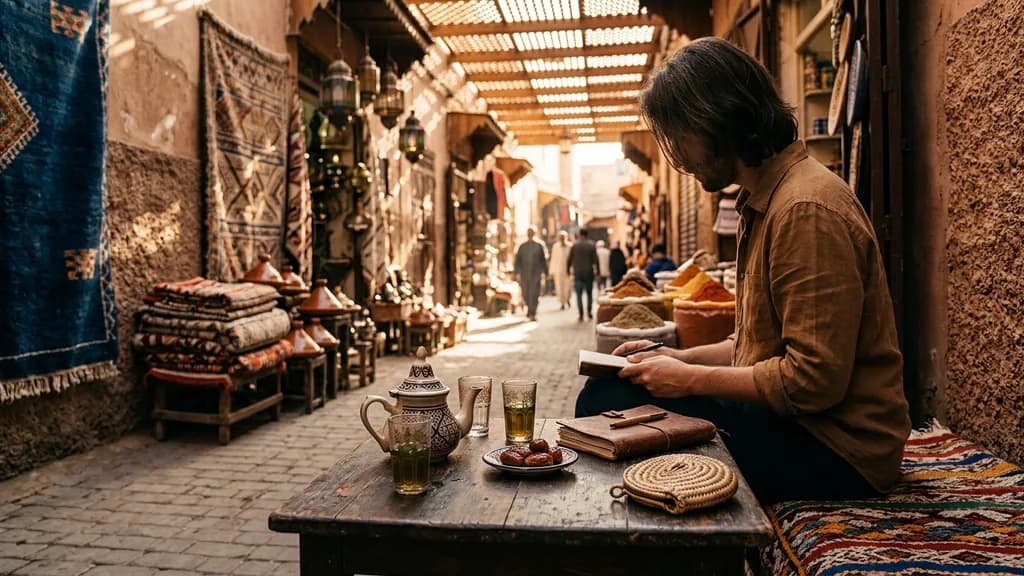
Is Morocco Expensive in 2026? A Real Cost Breakdown
Real 2026 Morocco costs - daily budgets $30-200, hotel/meal/transport prices with USD equivalents, and the math on why Morocco is Europe's cheapest exotic neighbor.
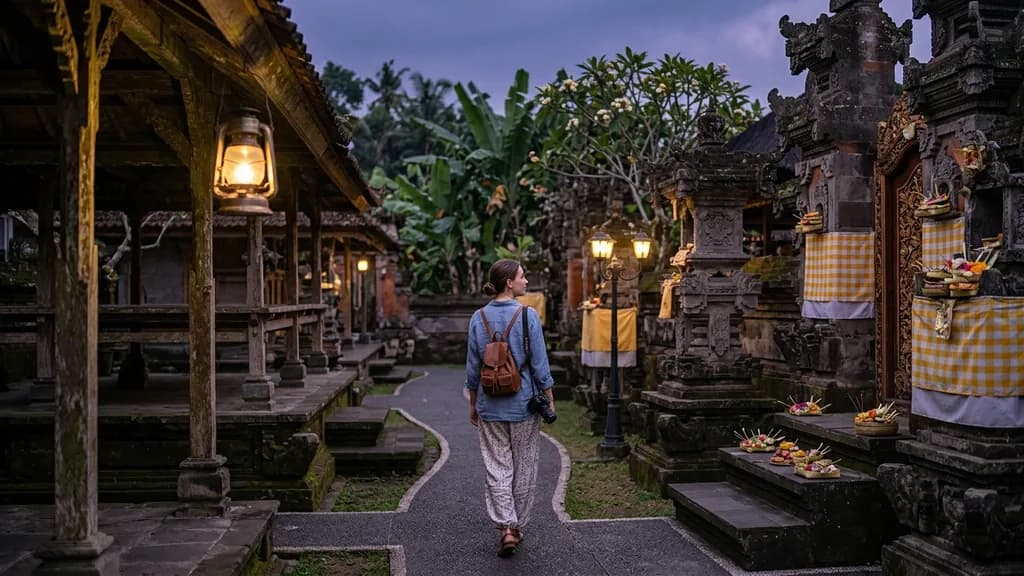
Is Morocco Safe for Solo Female Travelers in 2026? Honest Guide
Real 2026 Morocco safety for solo female travelers - catcalling reality, dress expectations, which cities are safer, and the specific scams women should know.
Plan Your Morocco Trip
Book hotels, transport, activities, and get connected with an eSIM
Some links are affiliate links. We may earn a commission at no extra cost to you.