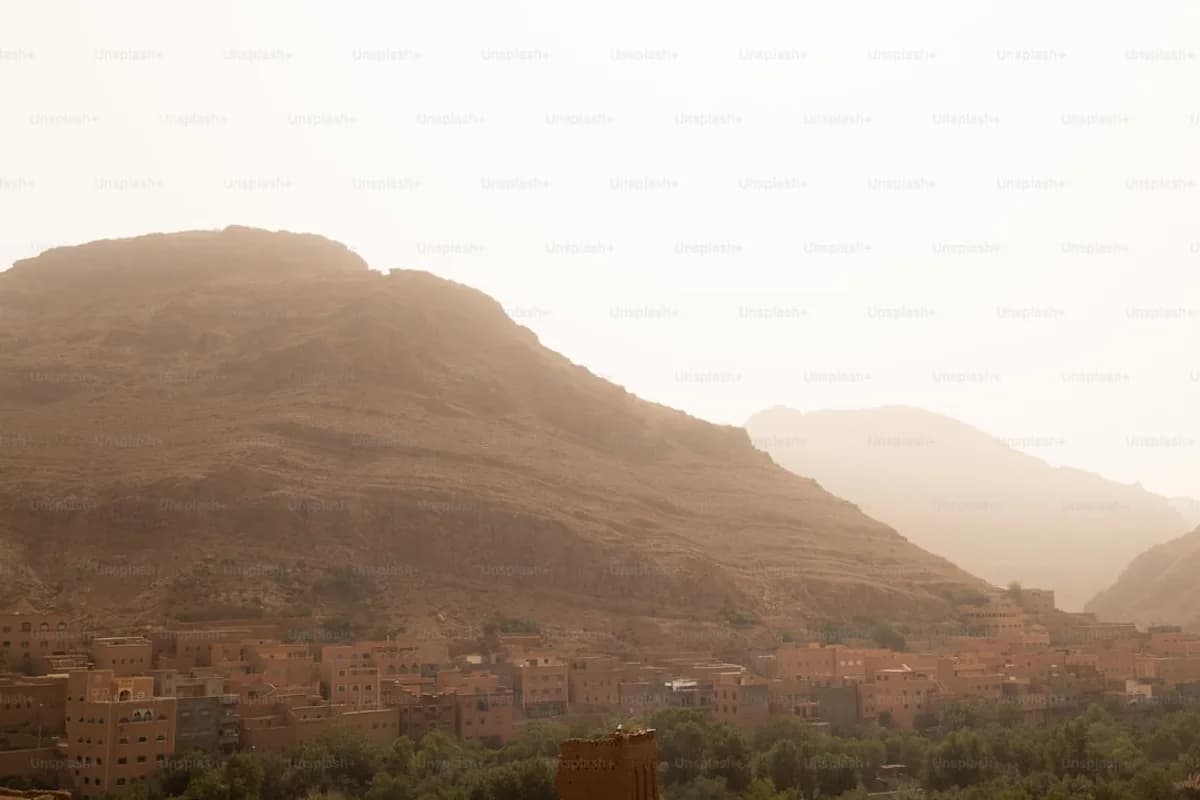
Atlas Mountains
Overview
The Atlas Mountains are actually three distinct ranges: the High Atlas (Haut Atlas), which runs from Agadir northeast to the Algerian border and contains Toubkal at 4,167 meters; the Middle Atlas (Moyen Atlas) further north, known for cedar forests, lakes, and Barbary macaque monkeys; and the Anti-Atlas in the south, an older, lower range of volcanic landscapes and argan forests. Together, they form Morocco's geographic backbone, separating the fertile Atlantic plains from the Saharan south. The mountains are home to Amazigh (Berber) communities who have maintained their distinct culture, language, and traditions for millennia. Terraced villages cling to mountainsides, irrigated by ancient water channels, and weekly souks (markets) remain the center of social and commercial life. For travelers, the Atlas offers everything from the challenging Toubkal summit trek to gentle day walks through Berber villages, from the spectacular Ouzoud waterfalls to the dramatic mountain passes that connect Marrakech to the Sahara.
regionDetail.topExperiences
Best things to do in Atlas Mountains
Trek to Toubkal Summit
North Africa's highest peak (4,167 meters) is accessible as a 2-day trek from the village of Imlil, passing through Berber settlements and a mountain refuge before a pre-dawn summit push for sunrise views stretching to the Sahara.
Visit the Ouzoud Waterfalls
Morocco's most spectacular waterfall cascades 110 meters over red cliff faces, with Barbary macaque monkeys in the olive groves and rainbow mist rising from the base. Boat rides at the bottom bring you close to the falls.
Drive the Tizi n'Tichka Pass
The highest paved pass in North Africa (2,260 meters) connects Marrakech to Ouarzazate on one of the world's great mountain road journeys, winding through spectacular scenery with Berber villages clinging to the hillsides.
Stay in a Berber Village Guesthouse
Spend a night in a traditional Berber guesthouse in the Imlil Valley, Ait Bougmez Valley, or Ourika Valley, sharing home-cooked meals and experiencing the warm hospitality that defines mountain life.
Best Time to Visit
Recommended Period
April to June, September to October — Spring offers wildflowers and pleasant temperatures for trekking. Autumn brings clear skies and golden light. The Toubkal summit is accessible from June to October (outside of these months, ice and snow require mountaineering equipment). Winter brings snow to the High Atlas passes and ski conditions at Oukaimeden.
Food & Specialties
Mountain cuisine is hearty and simple, reflecting the agricultural traditions of Berber communities. Freshly baked bread, tagines with local vegetables, and mint tea dominate.
Mountain tagine — Hearty versions with root vegetables, local lamb or goat, and dried fruits
Amlou — A paste of argan oil, almonds, and honey, spread on bread for breakfast
Tafarnout — Berber bread baked in a clay oven, served with olive oil and amlou
Walnut dishes — The Imlil Valley is known for its walnut groves, used in salads and desserts
Fresh dairy — Mountain guesthouses serve fresh butter, milk, and jben (cheese) from local herds
Getting There
How to reach Atlas Mountains
By Air
Marrakech Menara Airport (RAK) is the main gateway for the High Atlas. Fes-Saiss Airport (FEZ) serves the Middle Atlas region.
By Train
No trains reach the mountains. The nearest stations are Marrakech (for High Atlas) and Fes or Meknes (for Middle Atlas).
By Bus
CTM buses cross the High Atlas on the Marrakech-Ouarzazate route via Tizi n'Tichka. Local transport (minibuses and grand taxis) reaches mountain villages like Imlil, Ourika, and Azrou.
Getting Around
A rental car or hired driver provides the most flexibility. Mountain roads are generally well-maintained but winding and require confident driving. Grand taxis from Marrakech reach Imlil (65 km, approximately 200-250 MAD for the vehicle) and the Ourika Valley. For trekking, local guides are recommended and can be hired in Imlil or through Marrakech-based agencies.
Accommodation
Where to stay in Atlas Mountains
Budget
Mountain guesthouses (gites) from 150-300 MAD ($15-30) per person including dinner and breakfast. The Toubkal Refuge (CAF) costs approximately 120 MAD per night.
Mid-Range
Kasbah-style lodges in the valleys from 500-1,200 MAD ($50-120). These offer stunning views and traditional Berber hospitality.
Luxury
Premium mountain lodges like Kasbah du Toubkal (from 2,000 MAD/$200 per night) offer luxury with spectacular Atlas views.
Safety
The Atlas Mountains are safe for trekking and travel. Use qualified local guides for mountain treks. Mountain roads can be narrow and winding — drive carefully, especially around blind corners. In winter, passes may be closed by snow; check road conditions before driving. The sun at altitude is intense — sunscreen, hat, and sunglasses are essential. Carry plenty of water on all hikes.
Travel Tips
Insider advice for Atlas Mountains
- 1The Toubkal trek requires reasonable fitness but no technical climbing skills in summer. In winter (November-April), ice axes and crampons are needed.
- 2Hire a local guide for mountain treks — they provide employment for village communities and ensure your safety on the trails.
- 3Pack layers for mountain visits, even in summer — temperatures drop significantly at altitude, especially after sunset.
- 4The weekly souks in mountain villages are cultural highlights — ask your guesthouse host which day the local market operates.
- 5Altitude sickness can affect trekkers above 3,000 meters — ascend gradually and stay hydrated.
- 6The Tizi n'Tichka pass road from Marrakech to Ouarzazate is spectacular but can be closed by snow in winter — check conditions.