Atlantic Coast
Overview
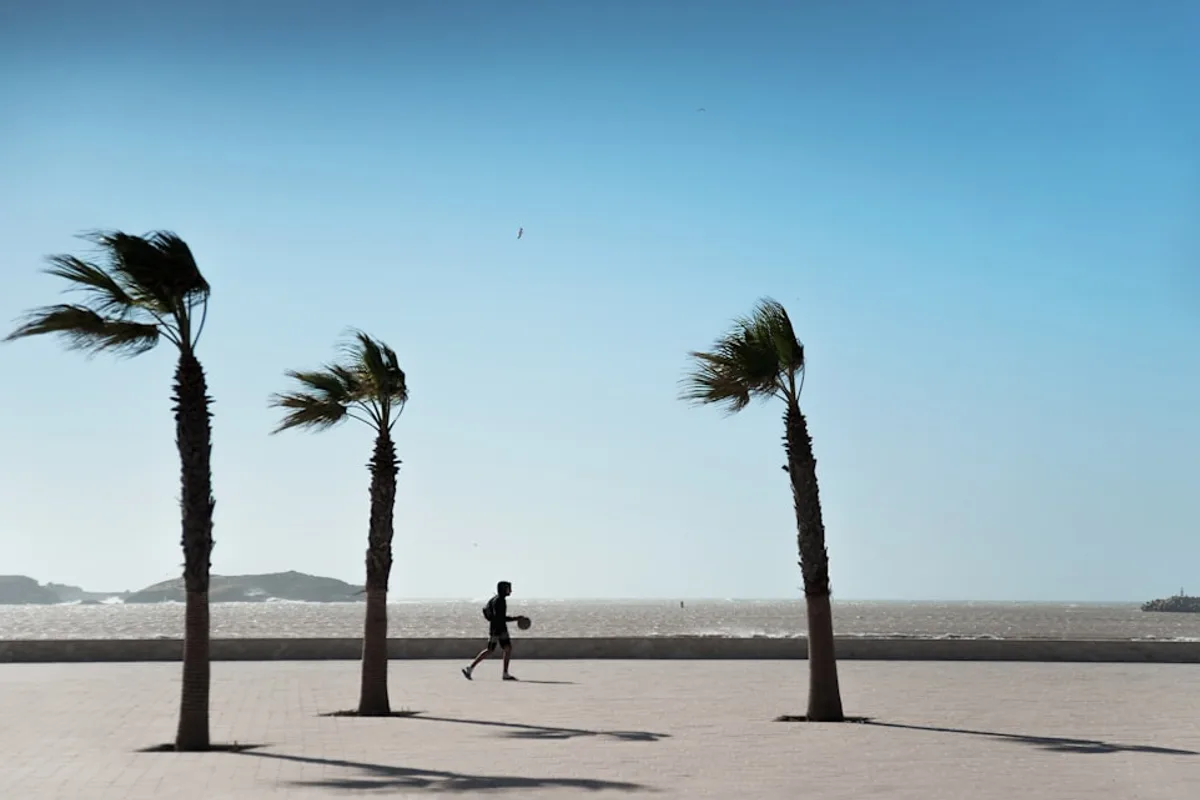
Morocco's Atlantic coast runs from Tangier in the north to the border with Mauritania in the south, making it one of the longest Atlantic coastlines in Africa. The coast is extraordinarily diverse: from the modern metropolis of Casablanca with its iconic Hassan II Mosque to the UNESCO-listed medina of Essaouira with its fortified walls and constant trade winds; from the surf mecca of Taghazout to the family resort town of Agadir; from the Portuguese-era fortifications of El Jadida to the remote beaches of the south. The Atlantic climate is moderated by the cool Canary Current, keeping coastal temperatures mild even when inland cities bake in summer heat. The constant trade winds along the central coast (particularly around Essaouira and Sidi Kaouki) have made Morocco one of the world's top destinations for windsurfing and kitesurfing. Surfing conditions are excellent from Taghazout south to Tamri, with consistent Atlantic swells and a growing surf culture. The coast is also Morocco's seafood capital, with grilled sardines, fresh seafood platters, and fish tagines available at every port.
regionDetail.topExperiences
Best things to do in Atlantic Coast
Eat Seafood at Essaouira's Port
Choose your fish, prawns, and calamari from the displays at the open-air grill stalls in Essaouira's fishing port and have it cooked to order — one of Morocco's great culinary experiences.
Tour the Hassan II Mosque
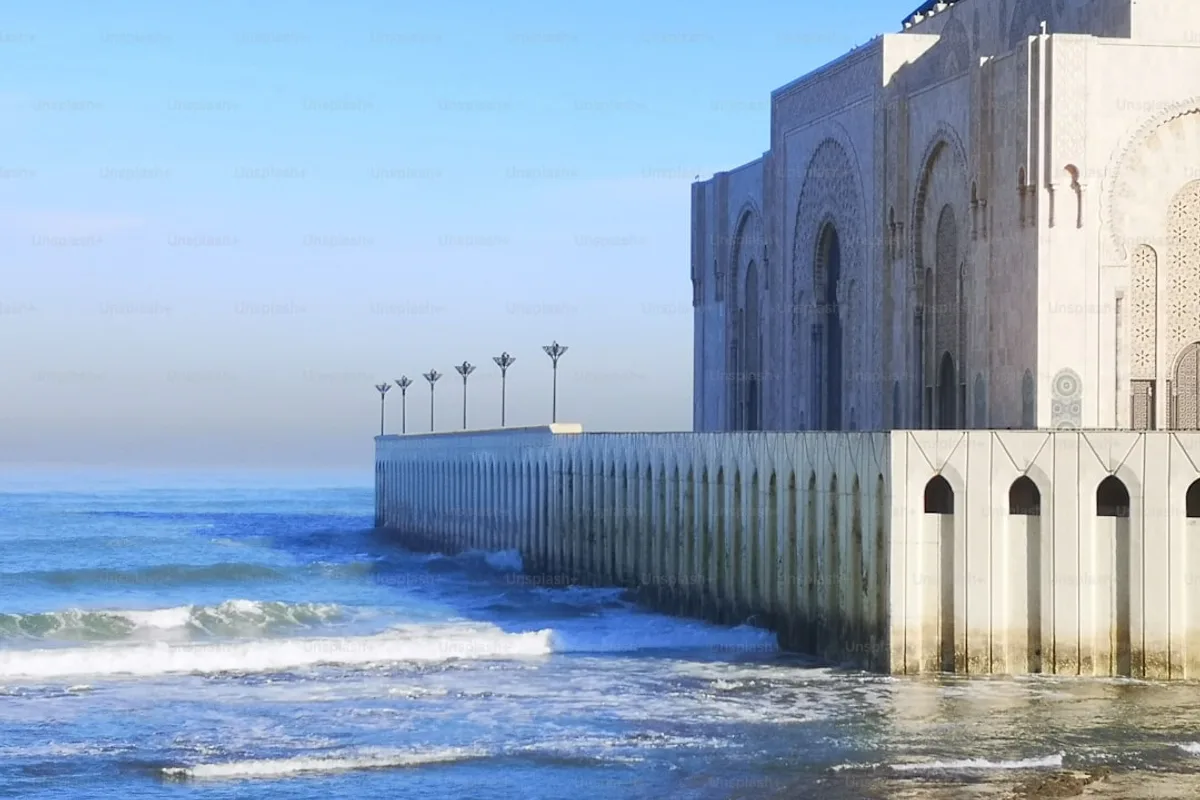
Visit one of the world's largest mosques in Casablanca, with its retractable roof, 210-meter minaret, and floors built over the Atlantic Ocean — one of the few mosques in Morocco open to non-Muslim visitors.
Surf at Taghazout
Ride Atlantic waves at one of the world's most consistent surf destinations, where a growing number of surf camps and schools cater to everyone from beginners to advanced surfers.
Walk the Ramparts of Essaouira
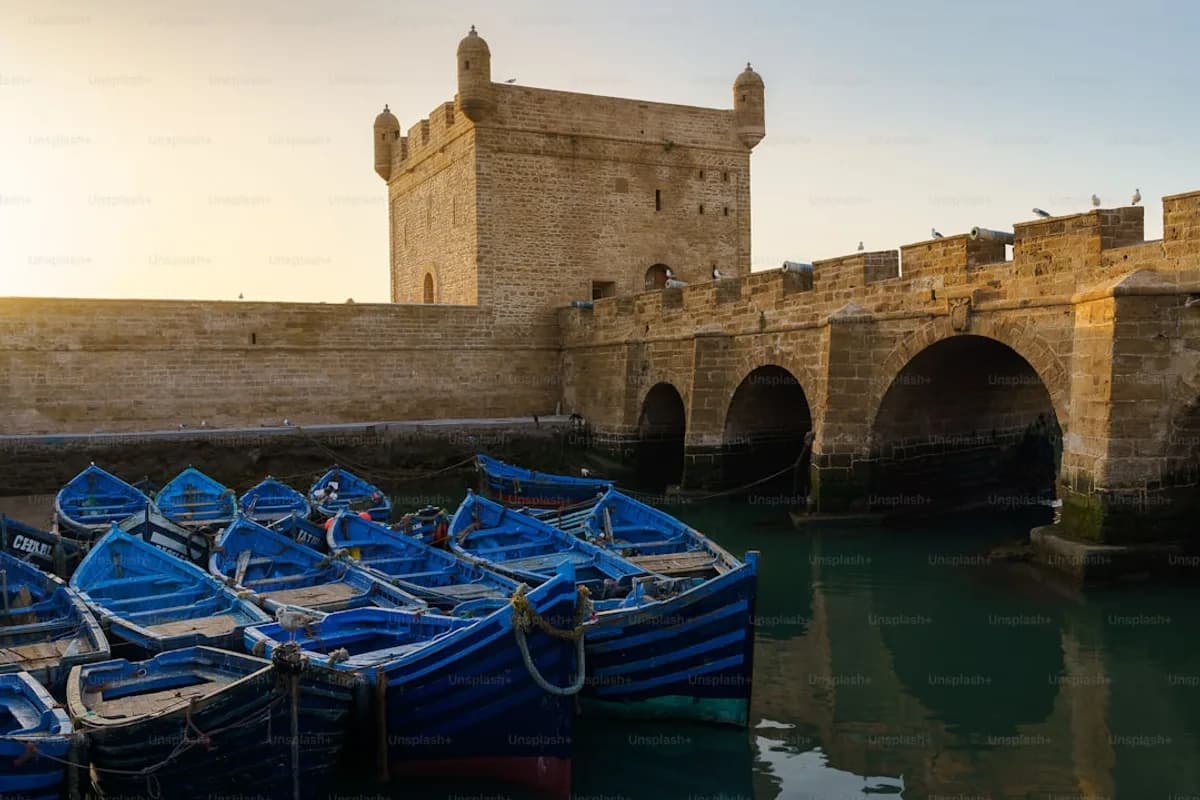
Stroll along the 18th-century sea bastions with their rows of bronze cannons pointing toward the Atlantic, watching the sunset and the crashing waves — a Game of Thrones filming location.
Cities in Atlantic Coast
Explore destinations in this region
Casablanca
Atlantic Coast
Morocco's largest city and economic capital is a modern metropolis defined by the stunning Hassan II Mosque, one of the largest mosques in the world with its minaret rising 210 meters above the Atlantic Ocean. Beyond the mosque, Casablanca reveals a fascinating blend of French Art Deco architecture, Moorish design, bustling markets, and a vibrant contemporary arts and dining scene.
Essaouira
Atlantic Coast
This windswept Atlantic port city combines a UNESCO-listed medina with a thriving arts scene, world-class windsurfing, and one of Morocco's most relaxed coastal vibes. Essaouira's 18th-century fortified walls, blue fishing boats, and galleries filled with Gnaoua-inspired art create an atmosphere that has attracted artists and musicians from Jimi Hendrix to modern-day creatives.
Best Time to Visit
Recommended Period
April to October — Summer along the coast is pleasantly warm without the extreme heat of inland cities. Spring and early autumn offer the best balance of warm weather and fewer crowds. Surf season runs September through April.
Food & Specialties
The Atlantic coast is Morocco's seafood paradise. From simple grilled sardines to elaborate seafood pastilla, the coastal cuisine draws on the day's catch.
Grilled sardines — Morocco's most abundant fish, grilled simply with salt and served with bread and chermoula sauce
Seafood pastilla — A coastal variation of the classic pie, using fish and seafood instead of chicken
Fish tagine with chermoula — Fresh fish baked in a tagine with a marinade of coriander, cumin, lemon, and garlic
Argan oil — Essaouira and the Souss-Massa region produce Morocco's famous argan oil for culinary and cosmetic use
Amlou — A breakfast spread of argan oil, almonds, and honey from the argan country around Essaouira
Getting There
How to reach Atlantic Coast
By Air
Mohammed V International Airport (CMN) in Casablanca is Morocco's main international gateway. Agadir Al Massira Airport (AGA) handles charter and European budget flights. Essaouira-Mogador Airport (ESU) has limited seasonal service.
By Train
ONCF trains serve the northern Atlantic coast including Casablanca, Rabat, and Kenitra. The Al Boraq high-speed line connects Casablanca to Tangier. No train service south of Casablanca to Essaouira or Agadir.
By Bus
CTM and Supratours buses connect all coastal cities. Essaouira is 2.5-3 hours from Marrakech and 6 hours from Casablanca. Agadir is 3.5 hours from Marrakech.
Getting Around
Between cities, buses and grand taxis are the main options. A rental car provides maximum flexibility for exploring the coast. The coastal roads are generally well-maintained. Within cities, petit taxis, walking, and the tramway (in Casablanca and Rabat) cover most needs.
Accommodation
Where to stay in Atlantic Coast
Budget
Hostels and surf camps from 80-200 MAD ($8-20) per night. Budget hotels in Essaouira and Agadir from 200-400 MAD.
Mid-Range
Riads in Essaouira from 400-1,000 MAD ($40-100). Business hotels in Casablanca from 500-1,200 MAD. Beach hotels in Agadir from 500-1,500 MAD.
Luxury
Luxury riads and beach resorts from 1,500-5,000+ MAD ($150-500+). Casablanca has international hotel chains.
Safety
The Atlantic coast is very safe. Swimming safety is the main concern — rip currents and strong waves can be dangerous, especially at unsupervised beaches. Heed local warnings and swim at beaches with lifeguards. The Atlantic water is cold (15-21 degrees Celsius year-round). In Casablanca, standard big-city awareness applies.
Travel Tips
Insider advice for Atlantic Coast
- 1The Atlantic water is cold year-round due to the Canary Current — wetsuits are recommended for surfing and swimming.
- 2Essaouira's wind is constant — pack a windbreaker and be aware that the beach can be too windy for sunbathing.
- 3Casablanca is worth at least a full day — the Hassan II Mosque and Art Deco district are world-class.
- 4The argan oil cooperatives between Marrakech and Essaouira are worth a stop — buy authentic oil direct from the producers.
- 5Surf season for the best swells runs September through April, but conditions are surfable year-round.
- 6Agadir was rebuilt after a devastating earthquake in 1960 — it is a modern resort city, not a historic medina town.