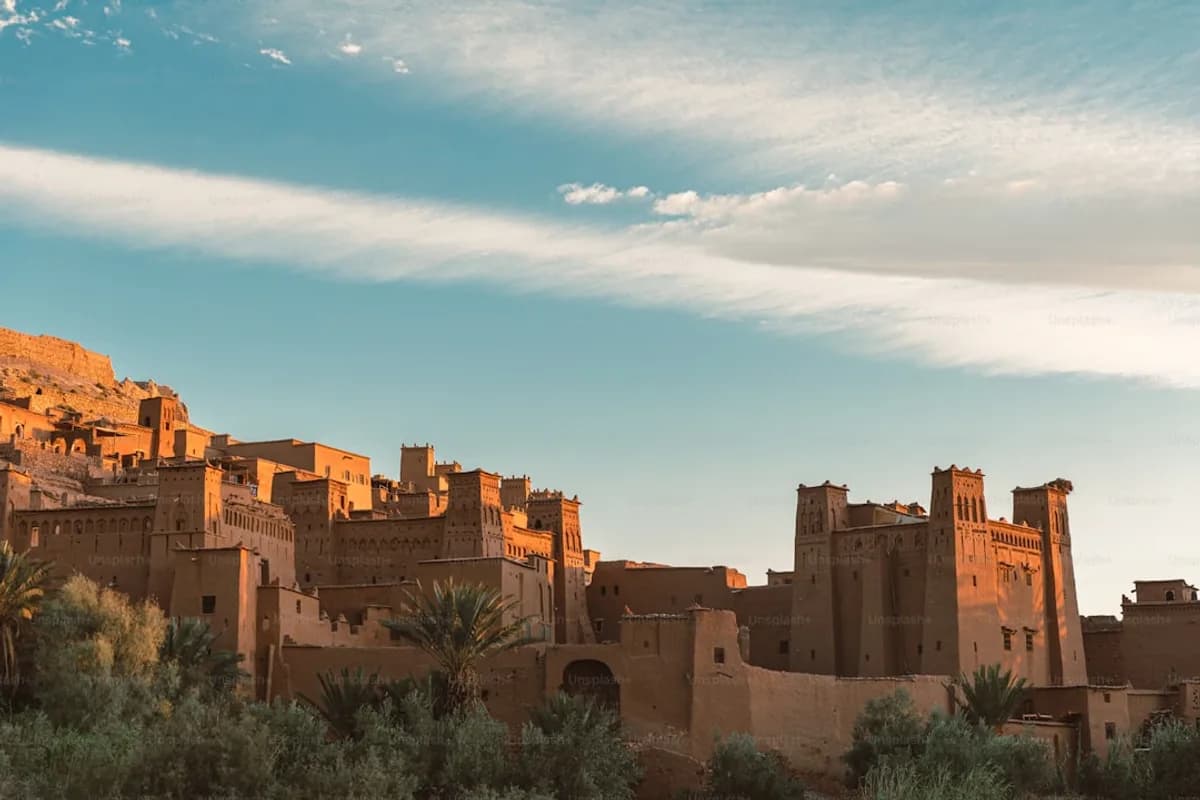
Morocco Travel Guide 2026: Everything You Need to Know
Morocco Travel Guide 2026: Everything You Need to Know
Morocco is one of the most diverse and rewarding travel destinations in the world. Within a single trip, you can wander through medieval medinas unchanged for centuries, trek the snow-capped Atlas Mountains, ride camels across Sahara dunes, and eat your way through one of the world's great cuisines. This guide covers everything you need to plan your trip.
Visa Requirements
Morocco offers visa-free entry to citizens of most Western countries, including the United States, Canada, the United Kingdom, all EU member states, Australia, and New Zealand. The standard visa-free stay is up to 90 days.
What you need at the border:
- Passport valid for at least 6 months beyond your departure date
- A completed arrival card (provided on the plane or at immigration)
- Proof of accommodation (hotel booking or riad reservation)
- Return or onward travel ticket
There is currently no e-visa system for Morocco. Citizens of countries not on the visa-free list must apply at a Moroccan embassy or consulate before traveling.
Pro tip: Fill out the arrival card on the plane to save time at immigration. The address field should be your first night's accommodation in Morocco.
Best Time to Visit
Morocco's climate varies dramatically by region, so the "best time" depends on where you are going.
Imperial Cities (Marrakech, Fes, Meknes)
- Best months: March to May, September to November
- Avoid: June through August when temperatures in Marrakech regularly exceed 40 degrees Celsius
Atlantic Coast (Essaouira, Casablanca)
- Best months: April to October
- Note: The coast is cooler than inland cities year-round. Essaouira can be windy even in summer.
Sahara Desert (Merzouga, Ouarzazate)
- Best months: October to April
- Avoid: Summer when desert temperatures can reach 50 degrees Celsius
Atlas Mountains
- Best months: April to June, September to October for trekking
- Note: The Toubkal summit is only accessible without mountaineering equipment from June to October
Overall best months: March to May and September to November provide the most comfortable conditions for a multi-region trip.
Money and Budget
The Moroccan dirham (MAD) is the official currency. As of early 2026, the exchange rate is approximately:
- 1 USD = 10 MAD
- 1 EUR = 11 MAD
- 1 GBP = 13 MAD
Daily Budget Estimates
| Category | Budget | Mid-Range | Luxury |
|---|---|---|---|
| Accommodation | 80-300 MAD ($8-30) | 500-1,500 MAD ($50-150) | 2,000-6,000+ MAD ($200-600+) |
| Food | 60-120 MAD ($6-12) | 200-400 MAD ($20-40) | 500-1,500 MAD ($50-150) |
| Transport | 50-100 MAD ($5-10) | 100-300 MAD ($10-30) | 300-800 MAD ($30-80) |
| Activities | 50-100 MAD ($5-10) | 150-400 MAD ($15-40) | 500-2,000 MAD ($50-200) |
Money tips:
- ATMs are available in all cities and most towns. Withdraw larger amounts to minimize per-transaction fees.
- Credit cards are accepted at mid-range and above hotels and some restaurants, but cash is essential for medinas, souks, street food, and taxis.
- Euros and US dollars can be exchanged at banks and exchange bureaus. Airport exchange rates are reasonable.
- Bargaining is expected in souks and with taxis (when the meter is not used). Start at roughly one-third of the asking price.
Getting Around Morocco
By Train
Morocco's ONCF train network is the backbone of intercity travel. The Al Boraq high-speed train connects Tangier to Casablanca in just 2 hours 10 minutes. Regular trains connect Casablanca, Rabat, Meknes, Fes, and Marrakech. Trains are comfortable, affordable, and generally punctual.
Key routes and approximate times:
- Casablanca to Marrakech: 3 hours (from 99 MAD)
- Casablanca to Fes: 3.5-4 hours (from 125 MAD)
- Tangier to Casablanca: 2 hours 10 minutes Al Boraq (from 149 MAD)
- Fes to Meknes: 45 minutes (from 25 MAD)
By Bus
CTM and Supratours operate comfortable long-distance coaches to destinations not served by rail, including Essaouira, Chefchaouen, Ouarzazate, and Merzouga.
By Petit Taxi
Small city taxis are the main way to get around within cities. They are metered — always insist the driver turns it on. Typical fares are 10-30 MAD within a city.
By Grand Taxi
Shared large taxis run fixed routes between cities and towns. They depart when full (usually 6 passengers). Affordable but cramped.
By Car
Renting a car provides maximum flexibility, especially for the Atlas Mountains and southern Morocco. Major international agencies operate from airports. Driving is on the right. Roads are generally good on main routes but can be narrow and winding in the mountains.
Accommodation
Riads
The quintessential Moroccan accommodation is a riad — a traditional house built around an interior courtyard, often with a fountain, garden, and rooftop terrace. Hundreds have been converted into boutique guesthouses in the medinas of Marrakech, Fes, Essaouira, and other cities. Staying in a riad is one of the most authentic ways to experience Morocco.
Price range: 250-5,000+ MAD ($25-500+) per night. Budget riads offer simple rooms with shared bathrooms; luxury riads feature plunge pools, spa services, and gourmet dining.
Hotels
International hotel chains operate in major cities, particularly Casablanca and Marrakech. Mid-range hotels outside the medinas offer modern amenities and easier access for those who prefer conventional accommodation.
Hostels
Hostel dorm beds are available in all major tourist cities from 60-150 MAD ($6-15) per night.
Food and Drink
Moroccan cuisine is one of the world's great culinary traditions. The essential dishes to try:
- Tagine — Slow-cooked stew in a conical clay pot. The classic is chicken with preserved lemon and olives.
- Couscous — The traditional Friday lunch. Hand-rolled semolina with vegetables and meat.
- Pastilla — Sweet-savory pie with pigeon or chicken, almonds, and cinnamon.
- Harira — Hearty tomato-lentil soup, the traditional Ramadan fast-breaking dish.
- Mint tea — The national drink, poured from a height. Accepting a glass is fundamental to Moroccan social life.
Eating tips:
- Street food is safe and excellent. Look for stalls with high turnover and locals eating there.
- The best tagines simmer for hours — avoid tourist traps that serve pre-made versions.
- Tap water is not recommended for drinking. Bottled water is available everywhere for 5-10 MAD.
- Meals in Morocco are social occasions. Lunches and dinners are often extended affairs.
Cultural Etiquette
- Greetings: Moroccans greet with "As-salamu alaykum" (peace be upon you). The response is "Wa alaykum as-salam." A handshake is common between the same gender.
- Dress: Morocco is a Muslim country. In medinas and rural areas, dress modestly — shoulders and knees covered. Beach resorts and modern city areas are more relaxed.
- Photography: Always ask permission before photographing people. Some may ask for a small tip.
- Ramadan: During the holy month (dates shift each year based on the lunar calendar), eating, drinking, and smoking in public during daylight hours is considered disrespectful. Restaurants in tourist areas typically remain open.
- Left hand: The left hand is considered unclean. Use your right hand for eating, greeting, and exchanging items.
- Mosque etiquette: Non-Muslims cannot enter most mosques in Morocco. The Hassan II Mosque in Casablanca is the main exception (guided tours available).
- Tipping: 10-15% at restaurants if service charge is not included. 2-5 MAD for small services. 20-50 MAD per day for guides.
Safety
Morocco is generally safe for tourists. Violent crime against visitors is extremely rare. The main concerns are:
- Petty theft: Pickpocketing in crowded medinas and tourist areas. Keep valuables secure.
- Scams: Unofficial guides, inflated prices, and hard selling in souks. A firm "la shukran" (no thank you) works.
- Taxi overcharging: Always insist on the meter in petit taxis.
- Traffic: Moroccan driving can be aggressive. Be cautious when crossing streets.
- Women travelers: Verbal harassment (catcalling) can occur, particularly when walking alone. Walking with confidence and ignoring comments is the most effective response.
Emergency number: 19 (police), 15 (ambulance)
Essential Packing List
- Comfortable walking shoes with good grip (medina streets are uneven cobblestones)
- Layers — temperatures vary dramatically between day and night, coast and desert
- Scarf or shawl (useful for sun protection, mosque visits, and warmth)
- Sunscreen and sunglasses (the sun is intense, especially in the south)
- Small daypack for medina exploration
- Offline maps (download Google Maps offline for the cities you are visiting)
- Universal power adapter (Morocco uses Type C and E plugs, 220V)
- Stomach medication (as a precaution, though most travelers have no issues)
Useful Arabic Phrases
- Shukran — Thank you
- La shukran — No, thank you
- As-salamu alaykum — Peace be upon you (greeting)
- Bislama — Goodbye
- B'saha — Bon appetit / Enjoy (said after meals, hammam, or new purchases)
- Bshhal? — How much?
- Safi — Enough / Done
FAQ
Is Morocco safe for solo female travelers?
Morocco is visited by thousands of solo female travelers each year. While verbal harassment can occur, violent crime against tourists is extremely rare. Dress modestly in medina areas, walk with confidence, and join organized tours for desert and mountain excursions if you prefer company. Many riads are run by women and cater specifically to female travelers.
Do I need to speak French or Arabic?
French is widely spoken in cities and tourist areas. Arabic (Darija) is the primary local language, and Amazigh (Berber) is spoken in rural and mountain areas. English is increasingly common in tourist services. A few Arabic phrases are greatly appreciated by locals.
Can I drink alcohol in Morocco?
Alcohol is available in licensed restaurants, bars, hotel restaurants, and some supermarkets (Carrefour, Acima). It is not served in medina restaurants or street food stalls. Morocco produces its own wine (Meknes region) and beer (Casablanca brand). Public drunkenness is culturally unacceptable and may attract police attention.
Is it safe to eat street food?
Yes, Moroccan street food is generally safe. Choose stalls with high turnover, where food is cooked fresh. Avoid pre-prepared food that has been sitting out for long periods. The famous food stalls at Jemaa el-Fna in Marrakech have health inspections.
How much should I budget for a 10-day trip?
A comfortable mid-range trip (riad accommodation, restaurant meals, intercity transport, activities) typically costs $80-150 per person per day. Budget travelers can manage on $30-50 per day with hostels, street food, and buses. Luxury travelers should budget $250-500+ per day.
Sources & References
This article is based on first-hand experience and verified with the following official sources:
Go2Morocco Team
Exploring Morocco since 2023 | All 12 regions covered | Updated monthly
We are a team of travel writers and Morocco enthusiasts who explore the country year-round. Our guides are based on first-hand experience, local knowledge, and verified official sources.
More about us →People Also Read
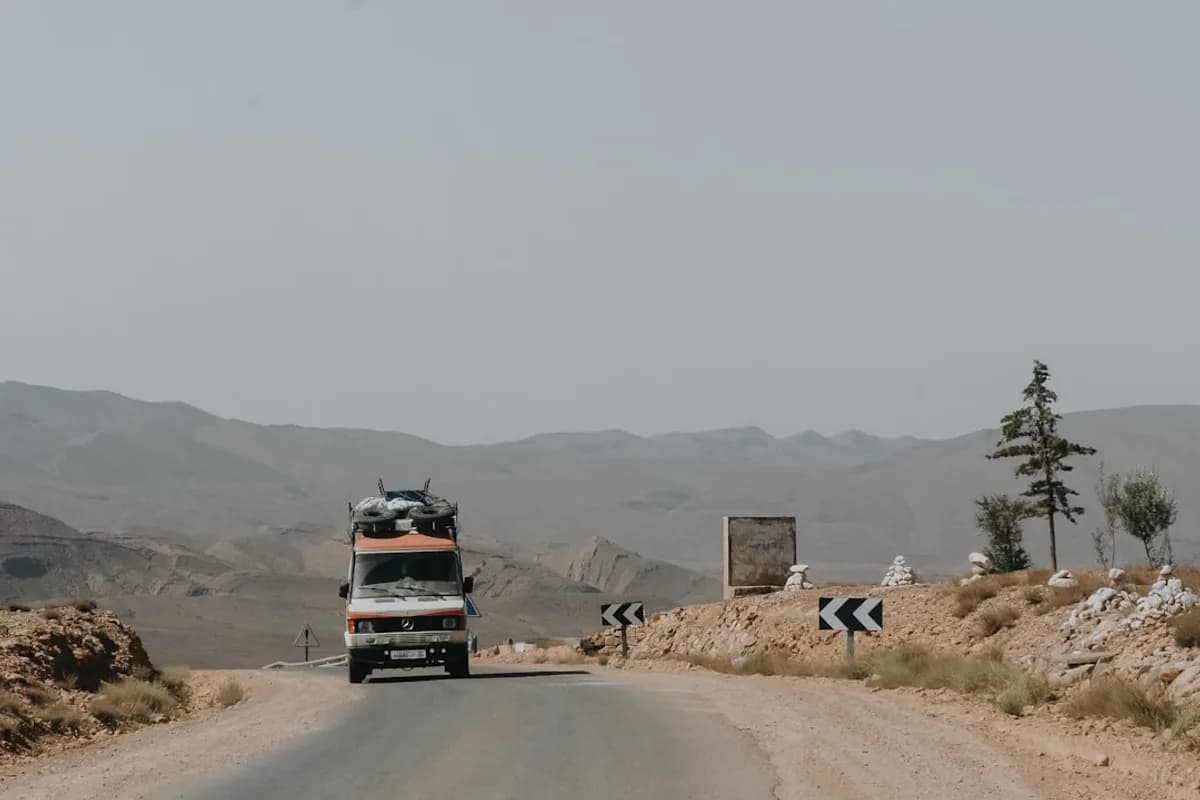
The Perfect 10-Day Morocco Itinerary: Imperial Cities, Mountains, and Sahara
How to see the best of Morocco in 10 days — a day-by-day itinerary covering Marrakech, the Atlas Mountains, Sahara Desert, Fes, Chefchaouen, and more, with transport details, costs, and practical tips.
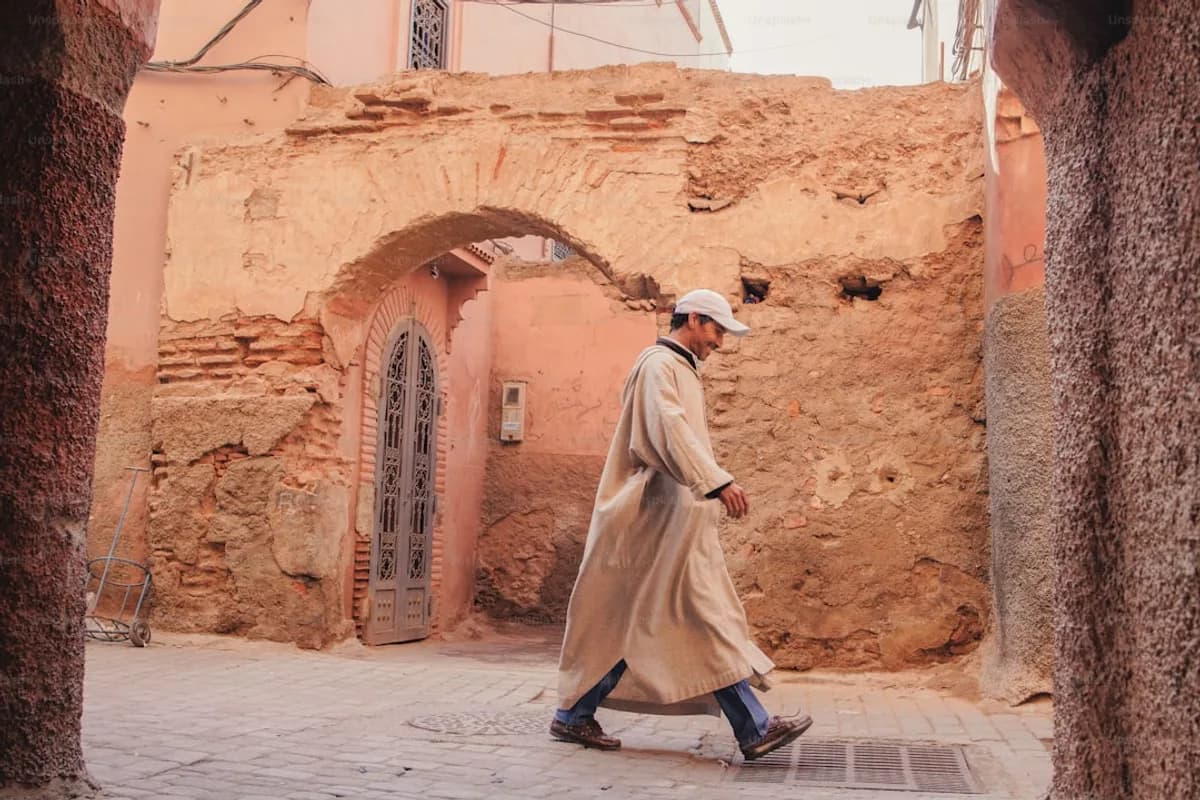
Morocco Safety Tips: Scams to Avoid, Cultural Rules, and How to Stay Safe
Morocco is a safe country for tourists, but knowing the common scams, cultural expectations, and practical safety tips will make your trip smoother. This honest guide covers everything from medina navigation to solo female travel.
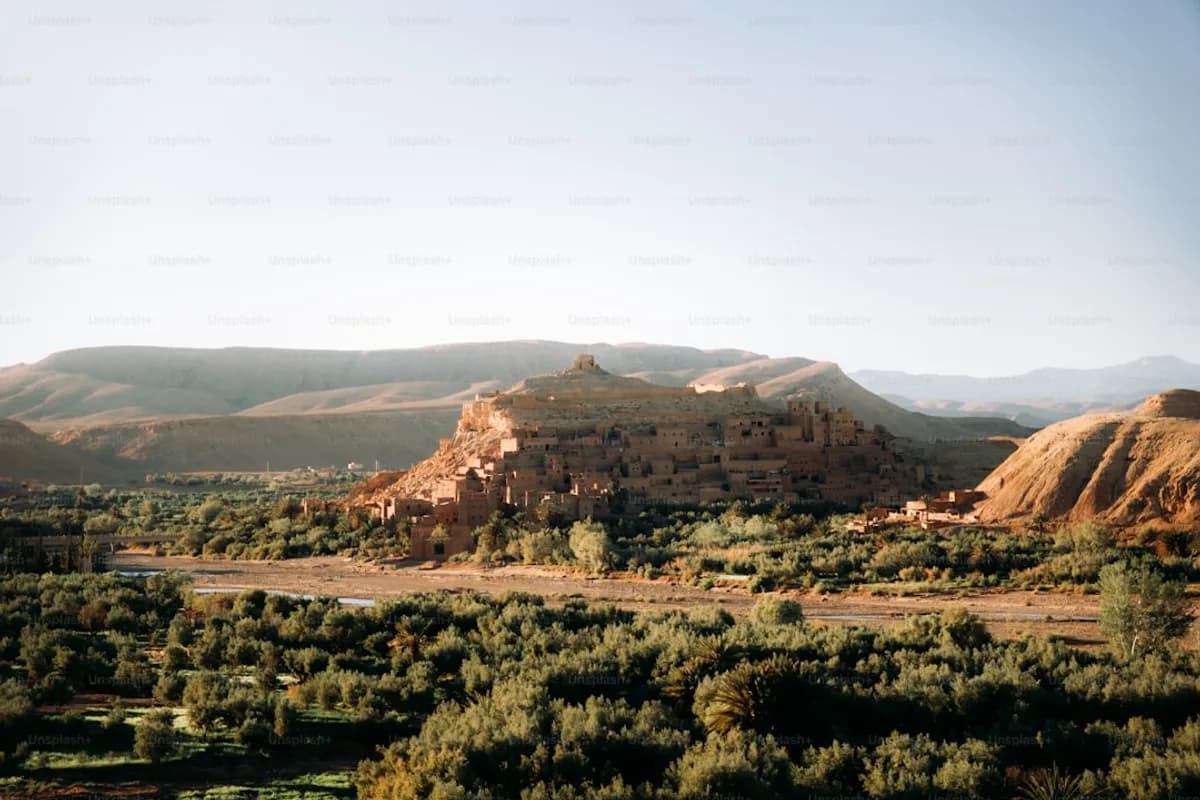
Best Time to Visit Morocco: A Month-by-Month Seasonal Guide
When should you visit Morocco? This detailed month-by-month guide covers weather, festivals, crowds, and prices for every region — so you can plan the perfect trip for any season.
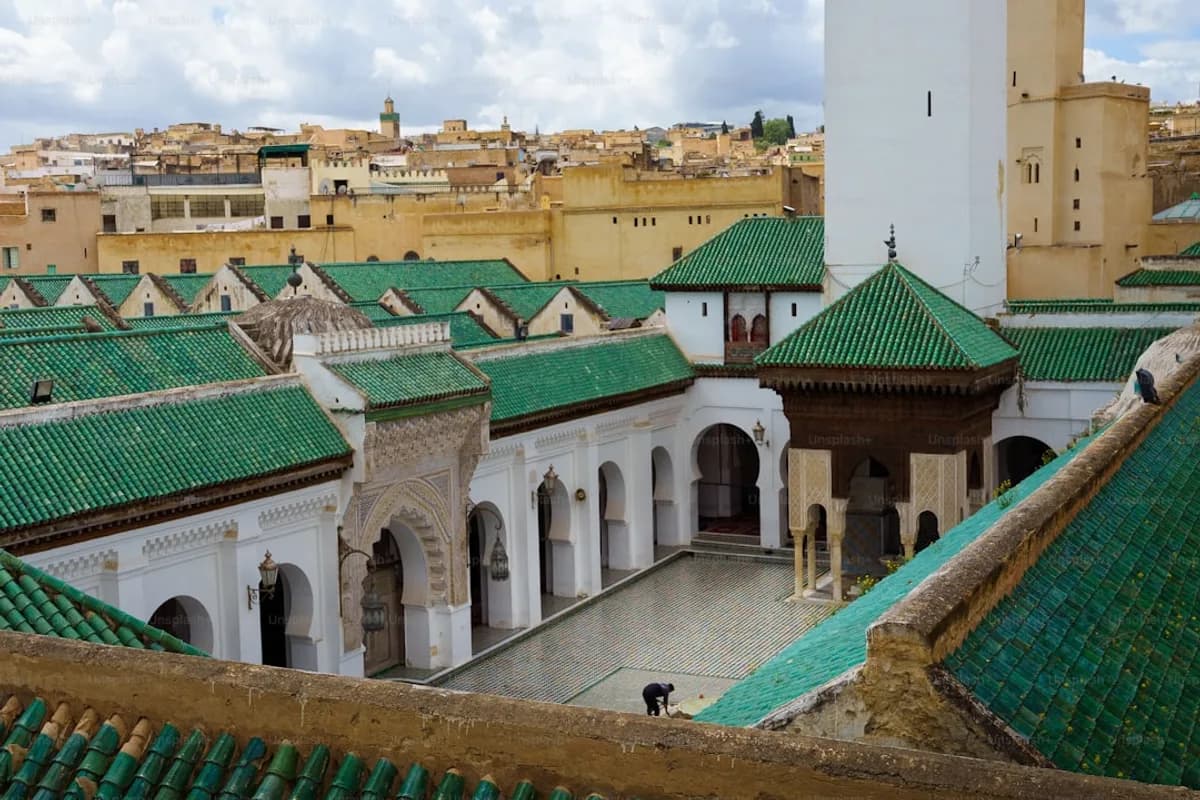
Fes Medina Survival Guide: How to Navigate the World's Largest Car-Free Zone
The medina of Fes el-Bali is the world's largest car-free urban area — and one of the most disorienting. This survival guide gives you the strategies, landmarks, and tips you need to explore with confidence.
Plan Your Morocco Trip
Book hotels, transport, activities, and get connected with an eSIM
Some links are affiliate links. We may earn a commission at no extra cost to you.