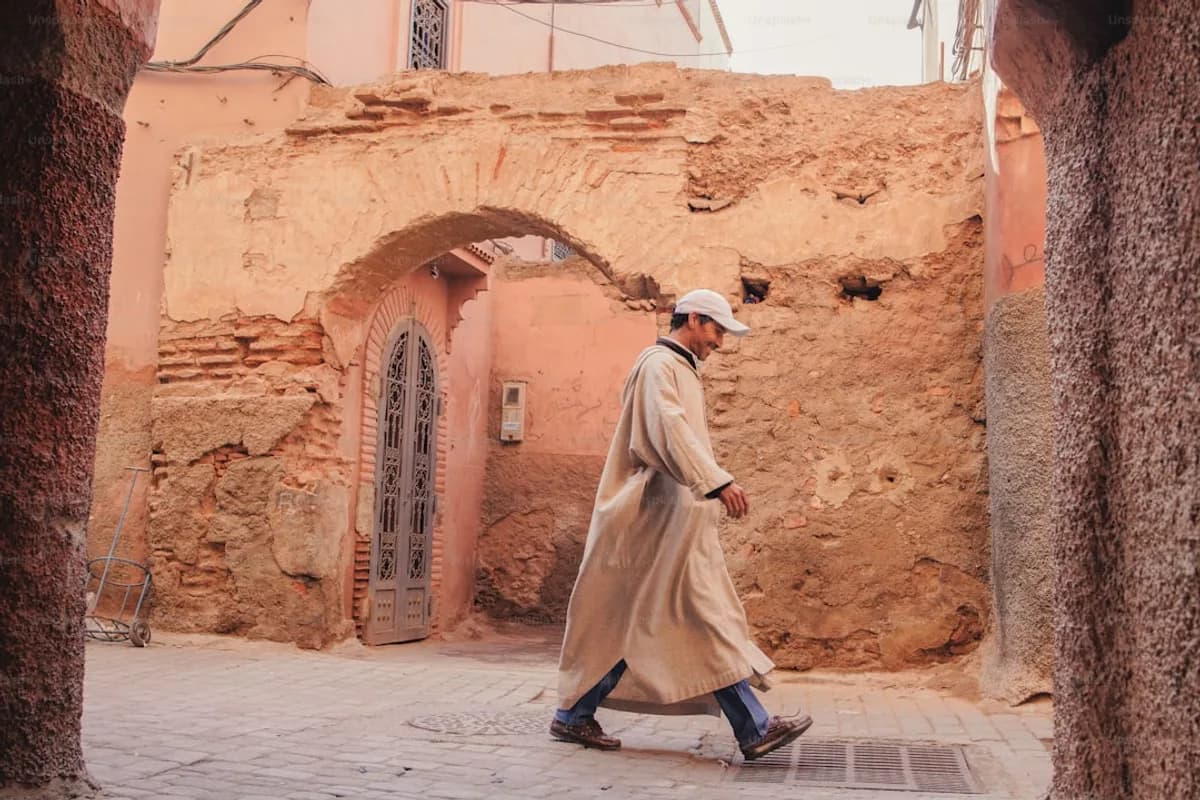
Morocco Safety Tips: Scams to Avoid, Cultural Rules, and How to Stay Safe
Morocco Safety Tips: Scams to Avoid, Cultural Rules, and How to Stay Safe
Morocco is a safe destination — violent crime against tourists is extremely rare, and millions of visitors each year have wonderful experiences. But Morocco is also a country where cultural misunderstandings, persistent touts, and common scams can frustrate unprepared travelers. This guide gives you the knowledge to navigate with confidence.
Overall Safety
Morocco ranks among the safer countries in Africa and the Middle East for tourists. The government takes tourism security seriously, with dedicated tourist police in major cities. The main concerns are not safety in the "danger" sense but rather:
- Persistent touts and unofficial guides
- Overcharging and scams targeting tourists
- Street harassment (particularly for women)
- Petty theft in crowded areas
- Traffic (both as a pedestrian and a driver)
Understanding these issues and how to handle them turns potential frustrations into non-events.
Common Scams and How to Avoid Them
The Unofficial Guide ("Faux Guide")
How it works: Someone approaches you at a medina gate, bus station, or on the street, offering to guide you to the tanneries, your riad, or a specific sight. After walking with you for a few minutes, they demand payment (sometimes aggressively).
How to avoid:
- Walk with purpose and avoid eye contact with people trying to catch your attention
- A firm, repeated "la shukran" (no thank you) without stopping
- If someone insists, walk into the nearest shop and ask the shopkeeper for directions
- Hire official guides through your riad or the tourism office if you want a guided experience
The Henna Grab
How it works: Women in Jemaa el-Fna or near tourist sights grab your hand and begin applying henna without consent, then demand 100-200+ MAD payment.
How to avoid:
- Do not extend your hand to anyone you do not know
- If grabbed, firmly pull your hand away and say "la" (no)
- If henna is applied, offer 20-30 MAD maximum (even this is generous for unsolicited henna)
The "It's Closed" Scam
How it works: Someone tells you that the sight you are heading toward is "closed today" and offers to take you somewhere else instead (usually a shop where they receive commission).
How to avoid:
- Ignore the claim and continue walking. Sights are rarely closed outside of scheduled hours and holidays.
- Check opening hours independently before setting out
The Carpet/Rug Shop Invitation
How it works: You are invited into a carpet shop for "just tea, no obligation to buy." The social pressure after accepting hospitality makes it difficult to leave without purchasing.
How to avoid:
- Only enter shops you are genuinely interested in
- If you want to browse, be clear that you are looking only
- It is perfectly acceptable to leave after tea without buying — this is understood in Moroccan business culture, even if the seller seems disappointed
Taxi Overcharging
How it works: Drivers claim the meter is broken or refuse to use it, then quote an inflated price at the end of the ride.
How to avoid:
- Always insist on the meter (compteur) before getting in
- If the driver refuses, exit and find another taxi — there are always more
- Know approximate fares: most rides within a city cost 10-30 MAD
- At airports, use the official taxi rank or pre-arranged transfers
The "Helpful" Direction-Giver
How it works: You look confused or consult your phone. Someone volunteers to help you find your way, walks with you for a while, then demands payment for their "services."
How to avoid:
- Look confident even when lost (fake it until you make it)
- If someone offers directions, accept verbal guidance but decline a physical escort
- If someone walks with you uninvited, clearly state "I don't need a guide" early
Cultural Rules and Etiquette
Dress Code
Morocco is a Muslim country with a relatively liberal but still conservative dress code:
- In medinas and cities: Cover shoulders and knees. Loose, flowing clothing is most comfortable and culturally appropriate.
- At beaches and resorts: Swimwear is fine at tourist beaches and hotel pools. Topless sunbathing is not acceptable anywhere.
- At mosques: Non-Muslims generally cannot enter mosques in Morocco. If visiting the Hassan II Mosque (one of the few exceptions), dress modestly with long sleeves and long pants/skirts. Women should bring a headscarf.
Religious Sensitivity
- Ramadan: Eating, drinking, and smoking in public during daylight hours is considered very disrespectful during the holy month. Tourist restaurants remain open but eating on the street should be avoided.
- Prayer times: Five daily prayers are part of Moroccan life. Do not be alarmed by the call to prayer (adhan) from mosques. Avoid entering business areas during Friday prayer (approximately 12:00-14:30).
- Mosques: Almost all mosques are closed to non-Muslims. Respect barriers and do not attempt to enter.
Photography
- Always ask permission before photographing people — this is both polite and practical
- Some people will ask for a small tip (5-10 MAD is appropriate)
- Do not photograph police, military installations, or government buildings
- Be discreet around mosques and in residential neighborhoods
- The tanneries in Fes — shop owners may pressure you to buy after allowing you to photograph from their terrace
Social Customs
- Greetings are important. Learn "As-salamu alaykum" (peace be upon you) and use it. Moroccans appreciate the effort.
- Right hand only for eating, greeting, and exchanging items. The left hand is considered unclean.
- Shoes off when entering homes and riads (follow the host's lead).
- Hospitality: If invited into a Moroccan home, accepting tea and food is expected. Bringing a small gift (pastries, fruit) is a nice gesture.
Safety for Women
Morocco is visited by thousands of solo female travelers each year. Most have positive experiences, but women — particularly those traveling alone — may encounter:
Verbal Harassment
Catcalling and persistent verbal attention from men is, unfortunately, common in medinas and on streets. It ranges from attempts at conversation to comments on appearance.
How to handle:
- Ignore completely and keep walking — do not engage, even to say no
- Wear sunglasses (reduces eye contact)
- Walk with purpose and confidence
- Dress modestly (this reduces attention but does not eliminate it)
- In persistent situations, enter a shop or cafe
Physical Boundaries
- Physical harassment (touching) is much rarer than verbal. If it occurs, react loudly — Moroccans around you will generally support you.
- In crowded areas (Jemaa el-Fna, busy souks), keep your bag in front of you
Practical Tips for Women
- Wearing a wedding ring (real or fake) can reduce some attention
- Having a male travel companion reduces attention dramatically
- Riads run by women and women-focused tours are available in Marrakech and Fes
- Cafe culture is traditionally male-dominated in the medina — modern cafes in the Ville Nouvelle are more mixed
- Women-only hammams are common and provide a uniquely female-bonding experience
Health and Medical Safety
Water
- Do not drink tap water. Bottled water is available everywhere (5-10 MAD).
- Ice in restaurants is usually made with purified water and is generally safe.
- Brush your teeth with bottled water if you have a sensitive stomach.
Food Safety
- Street food is generally safe — choose stalls with high turnover and freshly cooked items.
- Stomach issues ("Moroccan tummy") are possible but not inevitable. Carry Imodium as a precaution.
- If affected, the BRAT diet (bananas, rice, applesauce, toast) and electrolyte sachets help.
Sun and Heat
- The Moroccan sun is intense, especially in summer and the desert. Sunscreen (SPF 50), hat, and sunglasses are essential.
- Dehydration risk is real in the desert and hot cities. Carry water at all times.
- Heat exhaustion symptoms: dizziness, nausea, confusion. Get into shade, drink water, and seek medical help if symptoms persist.
Pharmacies
Moroccan pharmacies (look for the green cross) are well-stocked and pharmacists are knowledgeable. Many medications available only by prescription in Western countries can be bought over the counter in Morocco.
Emergency Numbers
- Police: 19
- Medical emergency/ambulance: 15
- Fire: 15
- Tourist police (Marrakech): Available at key tourist sites
LGBTQ+ Travelers
Same-sex relationships are illegal in Morocco under Article 489 of the penal code, carrying potential prison sentences. While enforcement against tourists is rare, discretion is essential:
- Avoid public displays of affection between same-sex couples
- Booking accommodations as "friends" rather than partners is prudent
- Attitudes are more liberal in tourist areas of Marrakech and Tangier than in rural areas
- Connect with LGBTQ+ travel communities for current advice and experiences
Drugs
Cannabis (kif/hashish) is widely cultivated in the Rif Mountains, and visitors (especially in Chefchaouen) will be offered hashish. Important points:
- Possession and use are illegal, regardless of the Rif's cultivation tradition
- Police sometimes target tourists who have purchased from street sellers
- Politely decline and move on — engaging in conversation about it often leads to persistent follow-up offers
Emergency Preparedness
- Travel insurance: Essential. Ensure it covers medical evacuation, especially if trekking the Atlas Mountains or visiting the desert.
- Copies: Keep digital copies of your passport, travel insurance, and hotel bookings in your email or cloud storage.
- Embassy contacts: Know the location and phone number of your country's embassy in Rabat (most are in the capital).
- Local SIM: A Moroccan SIM card (30-50 MAD at the airport) ensures you can always make local calls and access maps.
FAQ
What is the most common tourist problem in Morocco?
Persistent unofficial guides and touts in the medinas of Marrakech and Fes. This is not a safety issue but an annoyance issue. A firm "la shukran" and walking away resolves it every time.
Is it safe to walk in the medina at night?
The main streets of medinas are safe in the evening. Narrow alleys away from main routes can be very quiet and poorly lit at night — stick to main streets or take a taxi. The Ville Nouvelle areas of cities are safe at night.
Are there areas to avoid?
No specific neighborhoods are dangerous for tourists. The outskirts of larger cities (away from tourist areas) have higher petty crime rates, but tourists have no reason to visit these areas. In the desert, stick to established routes and camps.
How do I handle aggressive selling in the souks?
Do not engage if you are not interested. "La shukran" plus continuous walking is the most effective approach. If you stop, look at items, or respond verbally (even to say no), it signals interest and the interaction will continue. Think of it as a river — keep moving and the water flows around you.
Should I worry about terrorism?
Morocco has a strong security apparatus and has not had a major terrorism incident since 2011. The government takes security very seriously, with a significant police and military presence. The risk is considered low by most Western government travel advisories, though standard global awareness applies.
Sources & References
This article is based on first-hand experience and verified with the following official sources:
Go2Morocco Team
Exploring Morocco since 2023 | All 12 regions covered | Updated monthly
We are a team of travel writers and Morocco enthusiasts who explore the country year-round. Our guides are based on first-hand experience, local knowledge, and verified official sources.
More about us →People Also Read
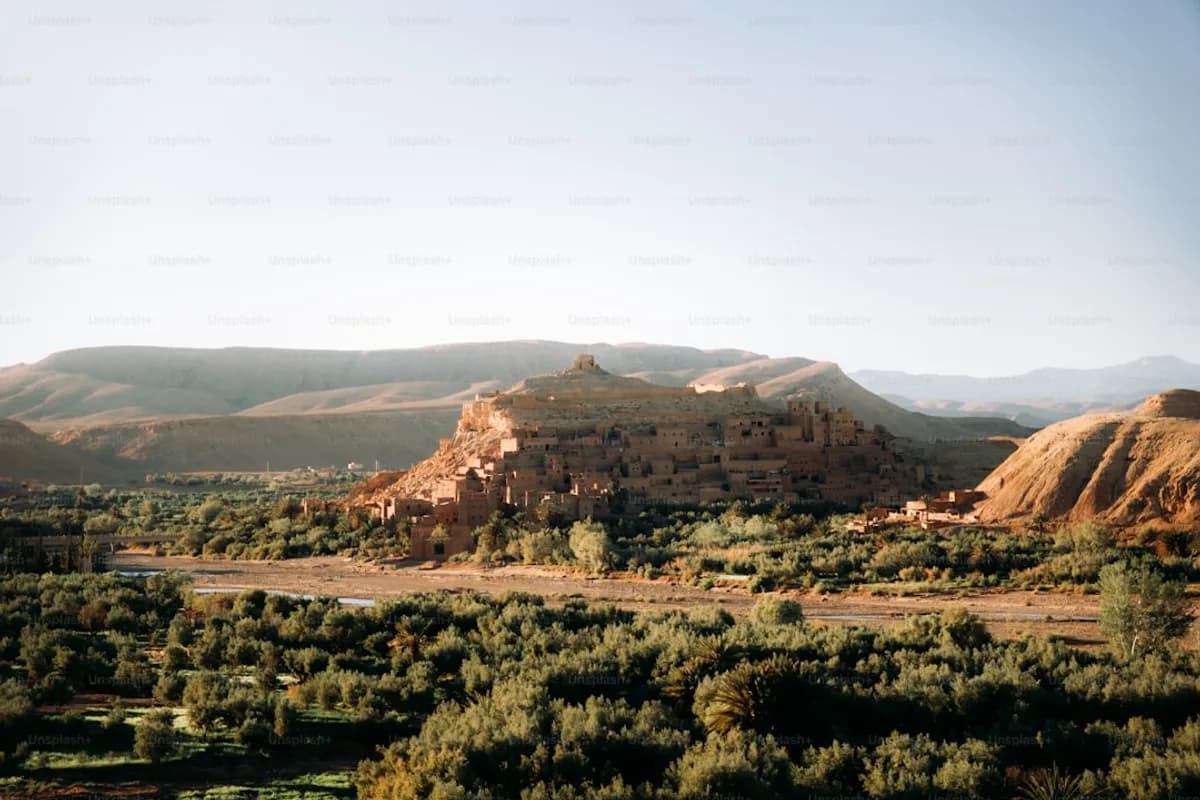
Best Time to Visit Morocco: A Month-by-Month Seasonal Guide
When should you visit Morocco? This detailed month-by-month guide covers weather, festivals, crowds, and prices for every region — so you can plan the perfect trip for any season.
Morocco on a Budget: How to Travel Morocco for Under $40/Day in 2026
Morocco is one of the most affordable travel destinations outside of Southeast Asia. This guide shows you exactly how to eat, sleep, travel, and explore Morocco on a budget without missing the essential experiences.
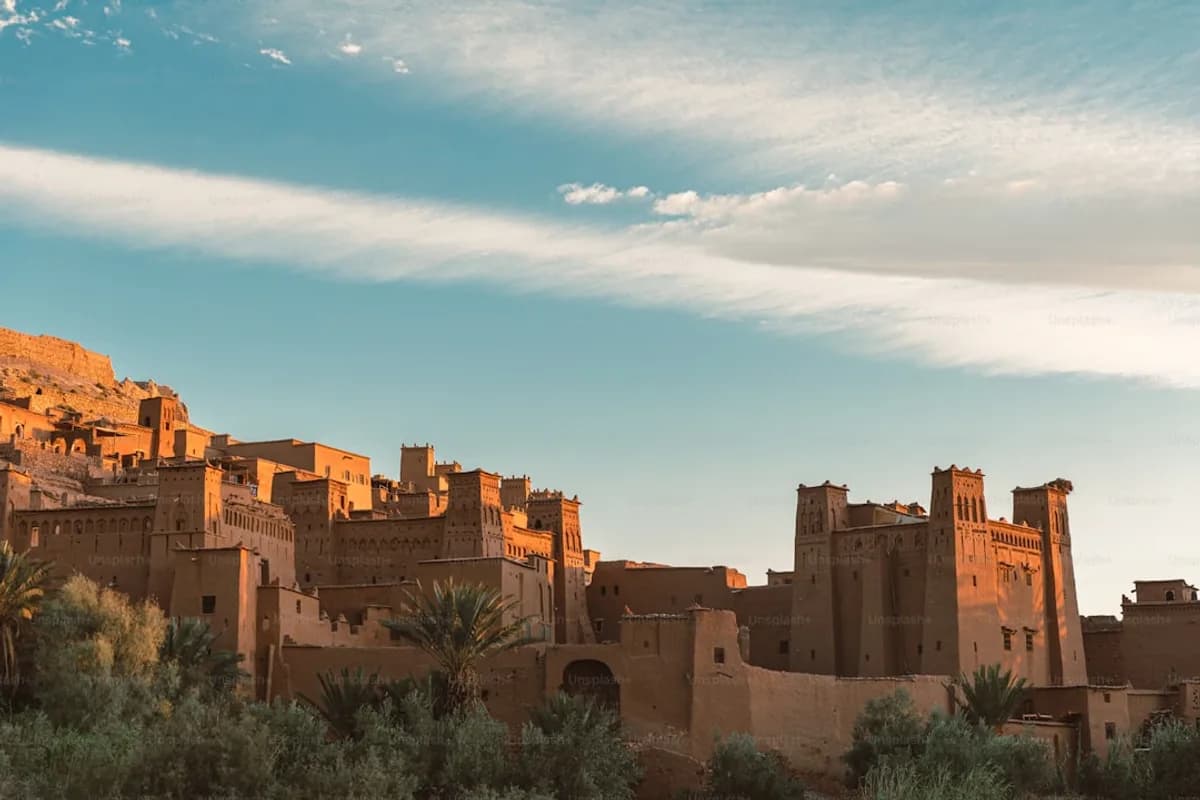
Morocco Travel Guide 2026: Everything You Need to Know
The complete guide to traveling in Morocco — from visa requirements and budget tips to cultural etiquette and the best time to visit. Everything first-timers and returning visitors need for an unforgettable trip.
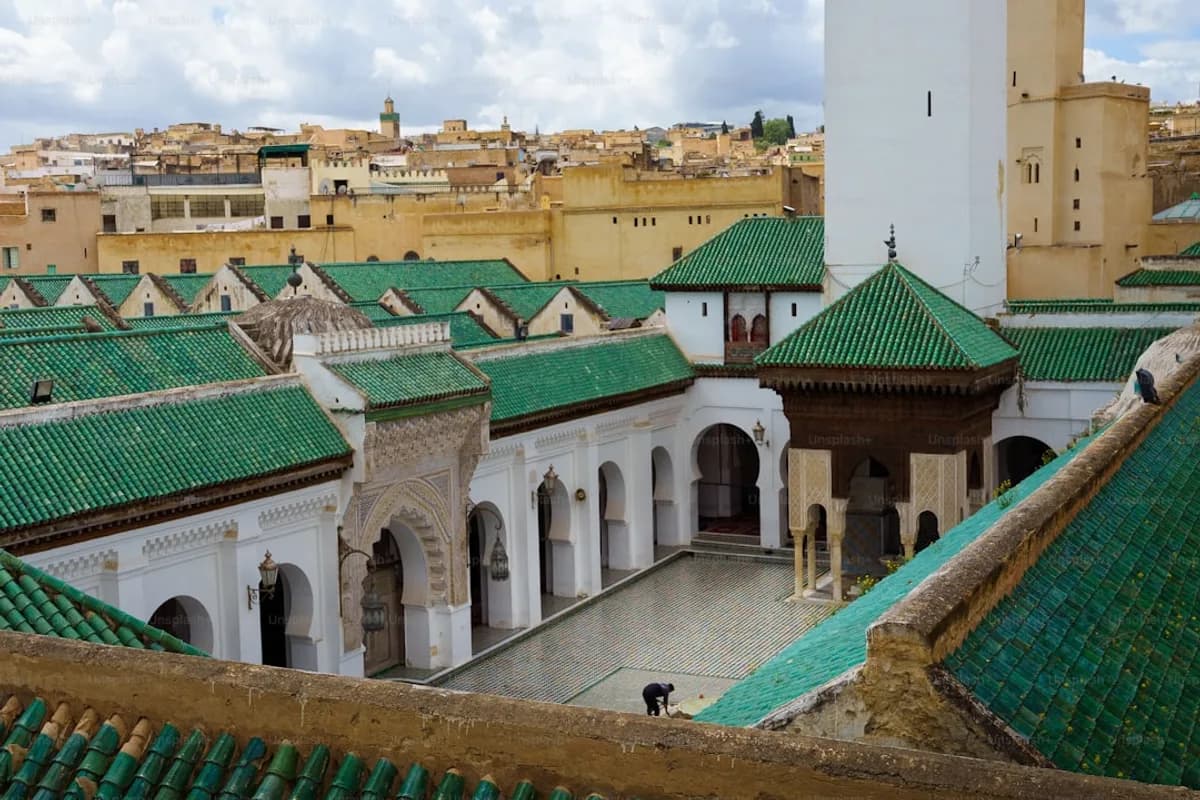
Fes Medina Survival Guide: How to Navigate the World's Largest Car-Free Zone
The medina of Fes el-Bali is the world's largest car-free urban area — and one of the most disorienting. This survival guide gives you the strategies, landmarks, and tips you need to explore with confidence.
Plan Your Morocco Trip
Book hotels, transport, activities, and get connected with an eSIM
Some links are affiliate links. We may earn a commission at no extra cost to you.