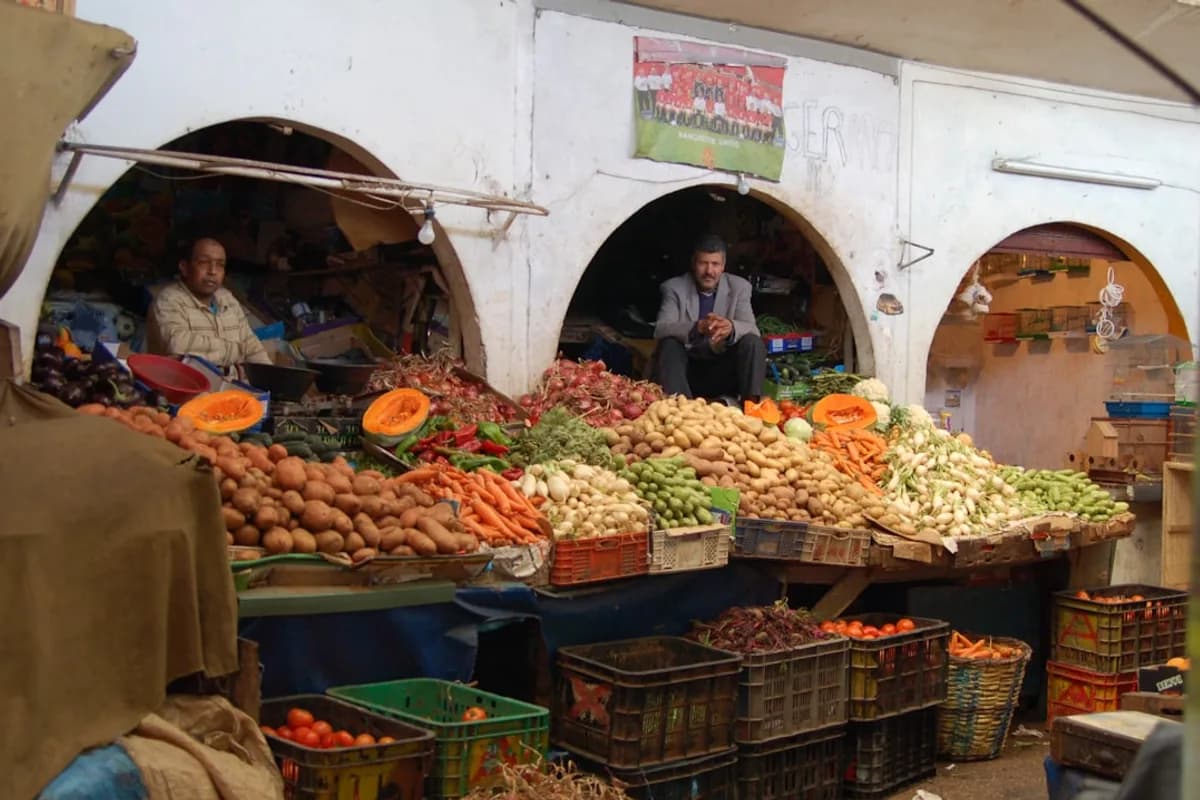
The Complete Guide to Moroccan Food: 15 Dishes You Must Try
The Complete Guide to Moroccan Food: 15 Dishes You Must Try
Moroccan cuisine is one of the world's great culinary traditions — a complex tapestry of Berber, Arab, Andalusian, and French influences developed over centuries. The food is defined by its layered spice combinations, the interplay of sweet and savory, and a social dining culture where meals are shared affairs. Here is everything you need to know about eating in Morocco.
Understanding Moroccan Cuisine
The Spice Foundation
Moroccan cooking builds flavor through spice blends rather than heat. The key spices include cumin, coriander, cinnamon, ginger, saffron, turmeric, and paprika. Ras el hanout (literally "head of the shop") is the signature blend — a complex mix of up to 30 spices that varies by vendor and region.
The Sweet-Savory Principle
One of Morocco's most distinctive culinary features is the combination of sweet and savory in the same dish: lamb with prunes and almonds, chicken with preserved lemon and olives, pigeon pie dusted with cinnamon and sugar. This principle, inherited from medieval Andalusian cuisine, runs through the entire tradition.
The Meal Structure
A traditional Moroccan meal follows a general pattern:
- Kemia — Small cooked salads (zaalouk, taktouka, carrot salad, bean salad) served at room temperature with bread
- Main course — Tagine or couscous, served communally
- Fruit — Fresh seasonal fruit, typically oranges with cinnamon or watermelon
- Mint tea — The meal-ending ritual, poured ceremonially
The 15 Essential Dishes
1. Tagine
The iconic slow-cooked stew is both the name of the dish and its distinctive conical clay cooking pot. The cone-shaped lid traps steam, keeping meat incredibly tender.
Key varieties:
- Chicken with preserved lemon and olives — The most classic and widely available
- Lamb with prunes and almonds — Sweet-savory masterpiece
- Kefta tagine with egg — Spiced meatballs in tomato sauce with a cracked egg
- Vegetable tagine — A satisfying option for vegetarians
Where to try: Everywhere, but the best are at restaurants where the dish simmers for hours over charcoal, not reheated from a batch.
Price: 40-120 MAD ($4-12)
2. Couscous
The Friday staple. Hand-rolled semolina granules steamed three times until light and fluffy, then mounded with a rich stew of seven vegetables (typically carrots, turnips, zucchini, pumpkin, cabbage, onions, and tomatoes), chickpeas, and lamb or chicken.
When to try it: Friday is the traditional couscous day — this is when restaurants prepare it fresh. A "couscous Friday" at a family home or riad is the ultimate experience.
Price: 40-100 MAD ($4-10)
3. Pastilla (B'stilla)
A masterpiece of Moroccan culinary art: layers of paper-thin warqa pastry enclosing shredded pigeon (or chicken), toasted almonds, scrambled eggs, and a shower of cinnamon and powdered sugar. The result is a stunning sweet-savory pie that is uniquely Moroccan.
Where to try: Fes is considered the home of pastilla. Al Fassia in Marrakech also makes an excellent version.
Price: 60-150 MAD ($6-15)
4. Harira
Morocco's most beloved soup — a thick, nourishing bowl of tomatoes, lentils, chickpeas, and lamb (or vegetarian versions) enriched with fresh coriander, parsley, and a squeeze of lemon. It is the traditional soup that breaks the fast each evening during Ramadan.
When to try it: Available year-round, but Ramadan is when harira is at its most culturally significant. It is traditionally accompanied by dates, chebakia (honey pastry), and hard-boiled eggs.
Price: 10-30 MAD ($1-3)
5. Tanjia (Marrakech Specialty)
Unique to Marrakech, tanjia is beef or lamb shanks slow-cooked for hours in a sealed clay urn placed in the embers of a hammam furnace. The result is meltingly tender meat infused with preserved lemon, saffron, and ras el hanout. Traditionally a "bachelor's dish" prepared by groups of men for weekend outings.
Where to try: Chez Lamine in Marrakech's medina is the classic spot.
Price: 60-120 MAD ($6-12)
6. Mechoui
Whole lamb slow-roasted in a tandir (underground clay oven) for hours until the meat falls off the bone. Seasoned simply with salt, cumin, and butter. In Marrakech, Mechoui Alley near the souks sells it by weight.
Price: 60-120 MAD ($6-12) per portion
7. Rfissa
Shredded msemen flatbread layered with lentils and chicken in a fenugreek-spiced sauce. This warming, aromatic dish is traditionally prepared for new mothers (fenugreek is believed to aid recovery). Found primarily in Fes and traditional restaurants.
Price: 50-100 MAD ($5-10)
8. Kefta
Spiced ground beef or lamb meatballs simmered in tomato sauce, often topped with a cracked egg. Available everywhere from street food stalls (served in bread) to sit-down restaurants (in a tagine dish).
Price: 30-80 MAD ($3-8)
9. Zaalouk
The most beloved of Morocco's cooked salads — smoky roasted eggplant mashed with tomatoes, garlic, olive oil, and cumin. Served as a starter with bread. Ubiquitous and always satisfying.
Price: 15-40 MAD ($1.50-4)
10. Msemen
Square layered flatbread with a crispy exterior and soft, flaky interior. Sold by street vendors for 2-5 MAD each, eaten plain with honey and butter or stuffed with kefta, cheese, or vegetables. The quintessential Moroccan breakfast item.
11. Khobz
Round bread present at every Moroccan meal, used as an edible utensil to scoop tagines and salads. Baked daily at community ovens (ferran). Bread is sacred in Moroccan culture and is never wasted.
12. Briouats
Crispy triangular pastry parcels filled with savory kefta, cheese, or chicken — or sweet versions with almond paste and honey. A staple of celebrations and Ramadan tables.
13. Baghrir (Thousand-Hole Pancakes)
Spongy semolina pancakes riddled with thousands of tiny holes that absorb melted butter and honey. A beloved breakfast treat cooked only on one side.
14. Sfenj (Moroccan Doughnuts)
Light, airy rings of fried dough sold piping hot from street vendors for 1-3 MAD each. Best dipped in sugar or drizzled with honey. A morning and Ramadan staple.
15. Makouda
Golden fried potato balls seasoned with cumin, turmeric, and herbs. Stuffed into bread with harissa for the ultimate cheap street food sandwich. Available everywhere for 3-10 MAD.
The Drinks
Moroccan Mint Tea (Atay)
Morocco's national drink and social ritual. Chinese gunpowder green tea with generous fresh spearmint and sugar, poured from a height. Refusing tea is considered impolite.
Nous Nous
Half espresso, half steamed milk — Morocco's everyday coffee. Served in a glass at every cafe.
Fresh Orange Juice
Squeezed to order at juice stands throughout the country, most famously at Jemaa el-Fna. 5-10 MAD per glass.
Avocado Smoothie
Thick, creamy, and surprisingly sweet — one of Morocco's most popular street drinks.
Eating Etiquette
- Use your right hand. The left hand is considered unclean.
- Eat from communal plates. Take from the section of the dish closest to you.
- Bread is your utensil. Tear off a piece and use it to scoop food. Cutlery is available in restaurants but bread is traditional.
- Say "Bismillah" before eating (in the name of God) and "Al-hamdulillah" after (praise God).
- Mint tea is ritual. Accept at least one glass when offered. Three glasses are traditional.
Cooking Classes
Taking a Moroccan cooking class is one of the best ways to understand the cuisine. Most include a market tour to buy ingredients.
Popular options:
- Marrakech: La Maison Arabe (400-600 MAD), Souk Cuisine (450 MAD), riad-based classes
- Fes: Cafe Clock (300-500 MAD), Palais Amani, traditional Fassi cooking homes
- Essaouira: L'Atelier Madada (fish-focused), various riad classes
FAQ
Is Moroccan food spicy (hot)?
Moroccan food is richly spiced but rarely spicy-hot. Harissa (a chili paste) is available as a condiment for those who want heat, but the cuisine emphasizes complex spice layers over chili burn.
Are there options for vegetarians?
Yes. Vegetable tagines, zaalouk, bessara (fava bean soup), lentil dishes, couscous with vegetables, and the array of cooked salad starters all provide excellent vegetarian options. However, vegetarianism is not widely understood in Morocco — be specific about no meat when ordering.
Is street food safe?
Moroccan street food is generally safe. Choose stalls with high turnover and freshly cooked items. The food stalls at Jemaa el-Fna are subject to health inspections. Avoid anything that has been sitting out for hours.
What should I eat during Ramadan?
If visiting during Ramadan, experience ftour — the evening fast-breaking meal. The traditional spread includes harira soup, dates, chebakia (honey pastry), hard-boiled eggs, msemen, juices, and mint tea. Many restaurants offer special ftour menus. Eating in public during daylight hours is considered disrespectful during Ramadan.
Where is the best food in Morocco?
Fes is considered the gastronomic capital for refined cuisine (especially pastilla). Marrakech is the street food capital (Jemaa el-Fna). Essaouira leads for seafood. Each region has its own specialties worth seeking out.
Sources & References
This article is based on first-hand experience and verified with the following official sources:
Go2Morocco Team
Exploring Morocco since 2023 | All 12 regions covered | Updated monthly
We are a team of travel writers and Morocco enthusiasts who explore the country year-round. Our guides are based on first-hand experience, local knowledge, and verified official sources.
More about us →People Also Read
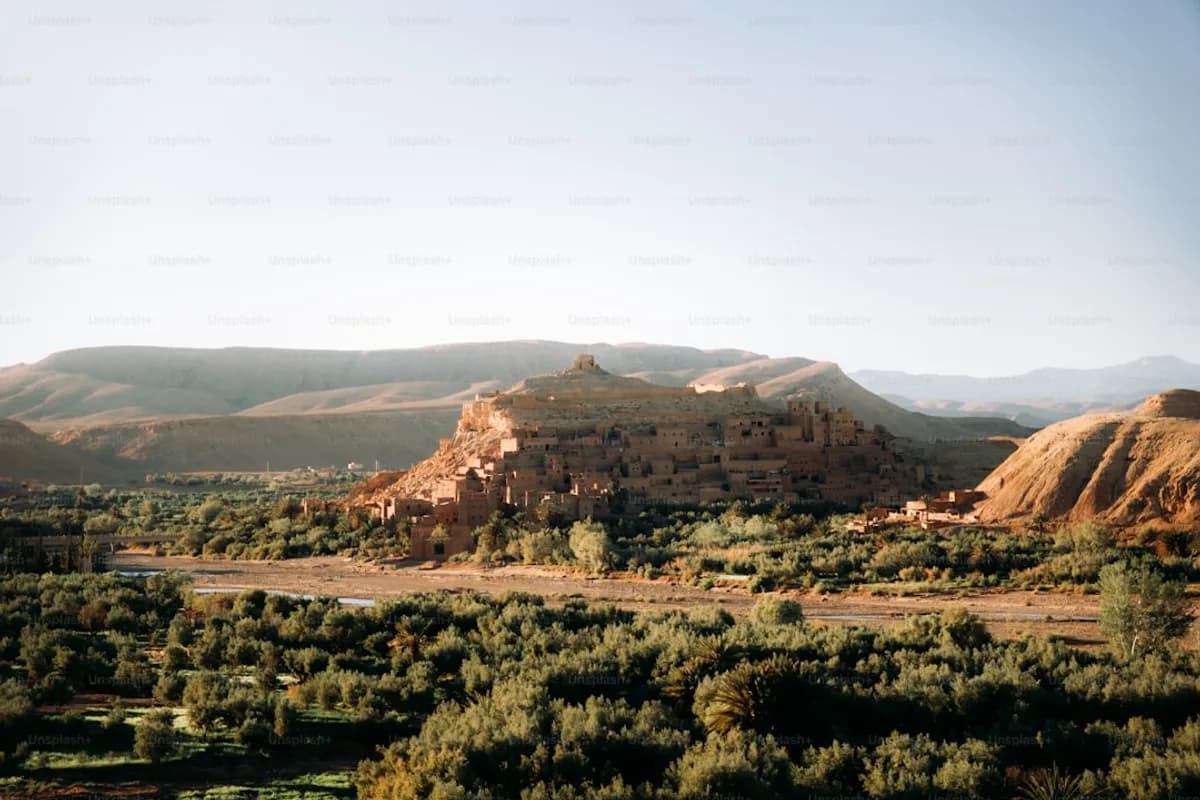
Best Time to Visit Morocco: A Month-by-Month Seasonal Guide
When should you visit Morocco? This detailed month-by-month guide covers weather, festivals, crowds, and prices for every region — so you can plan the perfect trip for any season.
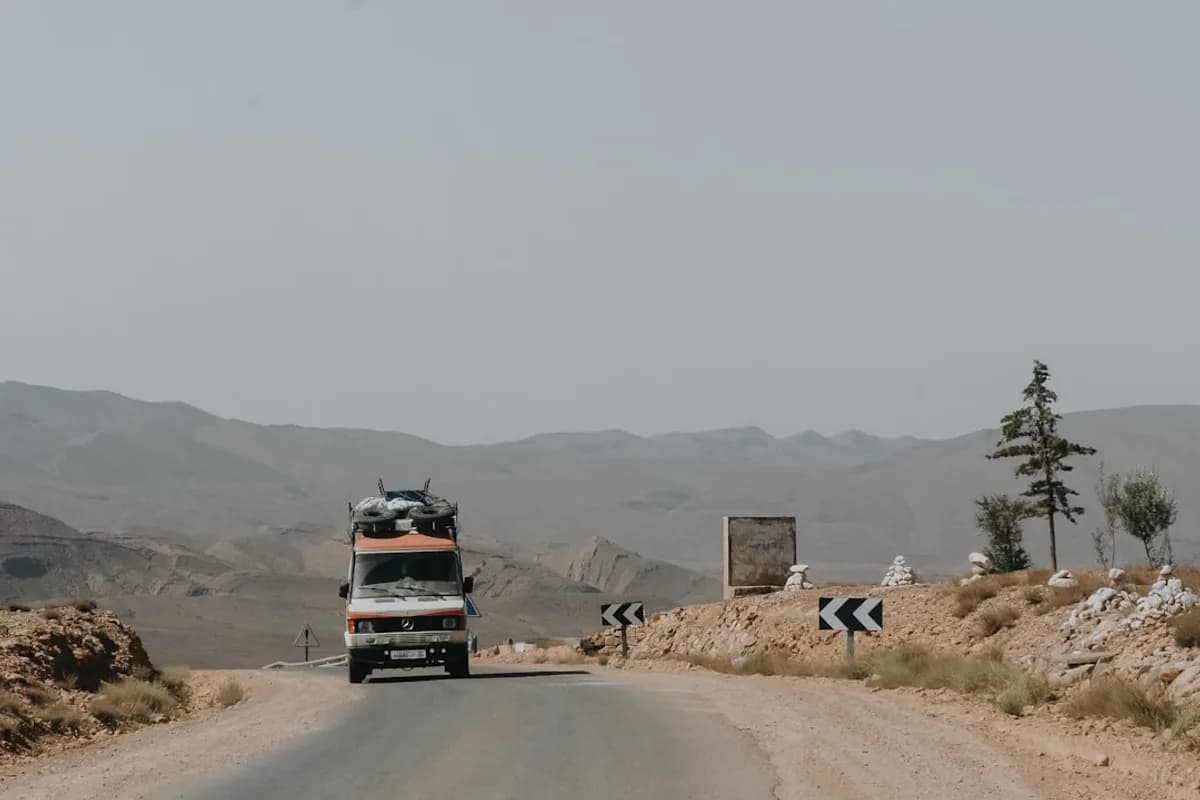
The Perfect 10-Day Morocco Itinerary: Imperial Cities, Mountains, and Sahara
How to see the best of Morocco in 10 days — a day-by-day itinerary covering Marrakech, the Atlas Mountains, Sahara Desert, Fes, Chefchaouen, and more, with transport details, costs, and practical tips.
Morocco on a Budget: How to Travel Morocco for Under $40/Day in 2026
Morocco is one of the most affordable travel destinations outside of Southeast Asia. This guide shows you exactly how to eat, sleep, travel, and explore Morocco on a budget without missing the essential experiences.
Morocco Safety Tips: Scams to Avoid, Cultural Rules, and How to Stay Safe
Morocco is a safe country for tourists, but knowing the common scams, cultural expectations, and practical safety tips will make your trip smoother. This honest guide covers everything from medina navigation to solo female travel.
Plan Your Morocco Trip
Book hotels, transport, activities, and get connected with an eSIM
Some links are affiliate links. We may earn a commission at no extra cost to you.