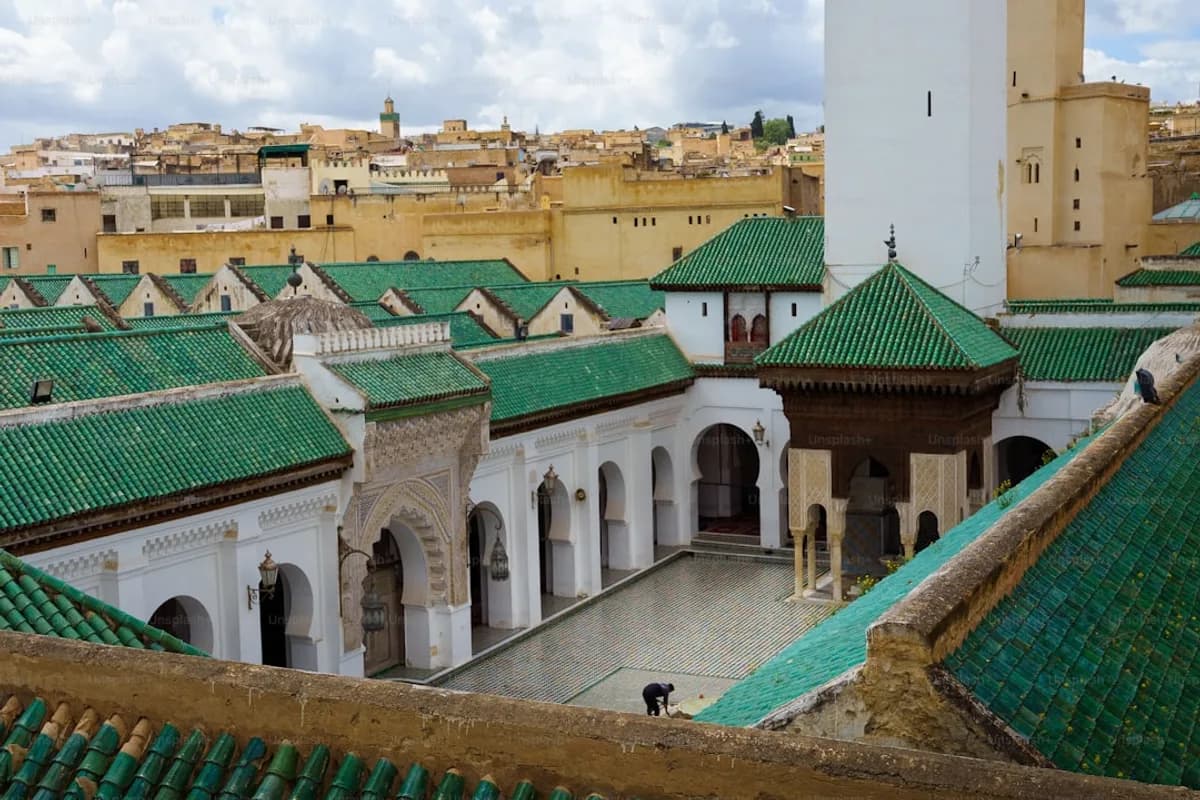
Fes Medina Survival Guide: How to Navigate the World's Largest Car-Free Zone
Fes Medina Survival Guide: How to Navigate the World's Largest Car-Free Zone
The medina of Fes el-Bali is magnificent and terrifying in equal measure. Over 9,000 narrow alleys, blind turns, dead ends, and covered passages create a labyrinth where GPS struggles, landmarks disappear behind walls, and even locals sometimes take wrong turns. But with the right approach, navigating Fes transforms from overwhelming to exhilarating. Here is how.
Understanding the Layout
Fes el-Bali is built in a river valley between two hills. The key mental model:
- Bab Bou Jeloud (the Blue Gate) is at the top (west), on higher ground
- The Kairaouine Mosque/University is at the bottom (east), in the valley
- Talaa Kebira (Big Hill Street) is the main artery running downhill from the Blue Gate toward the Kairaouine area
- Talaa Seghira (Small Hill Street) runs parallel, slightly south
If you are going downhill, you are generally heading deeper into the medina toward the Kairaouine Mosque. If you are going uphill, you are generally heading back toward Bab Bou Jeloud.
Strategy 1: Hire a Guide (Recommended for Day 1)
For your first visit, hiring an official guide is strongly recommended. The medina is genuinely confusing, and a good guide transforms a bewildering maze into a coherent story of history, crafts, and culture.
Where to hire:
- Through your riad or hotel (most reliable)
- At the tourism office near Bab Bou Jeloud
- Official guides wear identification badges
Cost: 300-400 MAD ($30-40) for a half-day, 500-700 MAD for a full day.
What to specify: Tell your guide what you are most interested in (crafts, architecture, food, photography) and whether you want to visit shops. Some guides receive commissions from shops — this is standard practice, but you can ask for a "no shopping" tour if you prefer.
Strategy 2: Self-Guided Navigation
After a guided introduction, you can explore independently. Here is how:
Use Landmarks, Not Maps
While Google Maps works better than you might expect in the Fes medina, the alleys are so narrow and numerous that GPS precision is limited. Use these major landmarks as anchor points:
- Bab Bou Jeloud — The blue-and-green tiled gate, your home base and the most reliable starting point
- Chouara Tanneries — The distinctive smell (pigeon droppings and leather) tells you you are getting close before you see them
- Kairaouine Mosque — The largest mosque in the medina (non-Muslims cannot enter, but you can see the exterior and use it for orientation)
- Place Seffarine — A small square where coppersmiths hammer metal bowls, at the bottom of the medina
The Downhill Rule
The medina is built on a slope. Going downhill takes you deeper into the center (toward the river and the tanneries). Going uphill takes you back toward the gates and exits. When lost, head uphill and you will eventually reach the medina walls and a gate.
The River
The Fes River (largely covered over) runs roughly east-west through the medina. If you can hear water or find one of the rare open sections, you know you are near the center.
Ask Shopkeepers
When genuinely lost, step into a shop and ask for directions. Most shopkeepers are happy to point you in the right direction. They live and work in the medina and know it intimately. A small tip (5-10 MAD) is appropriate if someone walks you to your destination.
What to See
The Chouara Tanneries
The oldest tannery in Fes (dating to the 11th century) is the medina's most iconic sight. Workers dye leather in circular stone vats filled with natural pigments — saffron for yellow, poppy for red, indigo for blue, mint for green.
How to visit: Approach from the surrounding leather shops, which provide rooftop terrace viewpoints. You will be handed a sprig of mint to counter the strong smell (pigeon droppings are used to soften the leather). There is no entry fee, but the leather shops expect browsing, and a purchase or tip is appropriate.
Best time: Morning for the best light and to see the workers at their most active.
Bou Inania Madrasa
One of the finest examples of Marinid Islamic architecture, open to non-Muslim visitors. Intricate zellige tilework, carved stucco, and cedar wood muqarnas. Entry 20 MAD. Located on Talaa Kebira near Bab Bou Jeloud.
Attarine Madrasa
Another stunning Marinid-era madrasa near the Kairaouine Mosque, with some of the finest decorative arts in the medina. Entry 20 MAD.
Nejjarine Museum of Wooden Arts
A beautifully restored 18th-century fondouk (caravanserai) housing traditional Moroccan woodworking. The rooftop terrace has excellent medina views. Entry 20 MAD.
Foundouk el-Nejjarine Square
A lovely small square with a mosaic fountain, surrounded by woodworking shops. A calm spot amid the medina bustle.
Survival Tips
"Balak!" (Watch Out!)
The most important word in the Fes medina. Donkeys carrying goods are the primary means of transport in the car-free streets, and they have right of way. When you hear "BALAK!" shouted behind you, flatten yourself against the nearest wall immediately to let the donkey pass. This is not a tourist novelty — it is a real transportation system.
Dealing with Faux Guides
Unofficial "guides" are the most persistent annoyance in the Fes medina. They approach at gates and intersections offering to show you the tanneries or guide you to your riad.
How to handle:
- A firm "la shukran" (no thank you) without stopping or making eye contact
- If someone follows you, walk into a shop and ask the shopkeeper for directions
- Do not engage in conversation — even saying "I know the way" can be interpreted as an opening
- If someone insists they are helping and then demands money, you are not obligated to pay
Watch Your Step
The medina streets are uneven cobblestones that become very slippery when wet. Wear shoes with good grip. Watch for open drains, unexpected steps, and the occasional cat napping in the middle of the path.
Photography Etiquette
- Ask before photographing people, especially tannery workers and craftsmen
- Some people may ask for a small tip for photos (5-10 MAD is reasonable)
- Be discreet around mosques and residential areas
- The tanneries are best photographed from the surrounding rooftop terraces
The Smell
The Chouara Tanneries smell strongly due to the pigeon droppings and chemicals used in the tanning process. The mint sprig helps. Some visitors find the smell overwhelming; it is strongest on hot days. If you are sensitive, visit in the morning when it is cooler.
Eating in the Medina
- Cafe Clock (Talaa Kebira): A cultural cafe known for its camel burger and rooftop terrace. Good for lunch (80-150 MAD).
- Street food stalls near Bab Bou Jeloud: Sandwiches, grilled meats, and snacks (15-40 MAD).
- Restaurant Dar Hatim: Home-style Fassi cooking in a medina house. Pastilla is the specialty (reservation needed, 150-300 MAD set menu).
- Thami's: A simple local spot on Talaa Kebira with excellent harira and tagines (30-60 MAD).
When to Visit
- Best months: March-May, September-November (comfortable temperatures for extensive walking)
- Best time of day: Early morning (9-11am) for fewer crowds and good light. Late afternoon for golden hour photography.
- Worst time: Midday in summer (the enclosed streets trap heat)
- Friday: Quieter during midday prayers (12-2:30pm), but many shops close
How Many Days?
- 1 day: Possible with a guide, covering the main highlights (tanneries, Bou Inania, Nejjarine Museum)
- 2 days (recommended): Day 1 with a guide for orientation, Day 2 independent exploration at your own pace
- 3 days: Add a cooking class, deeper medina exploration, and a day trip to Volubilis/Meknes
FAQ
Will I get lost?
Almost certainly, and that is part of the experience. The medina is designed to be confusing (historically, this was a defensive feature). Getting lost leads to unexpected discoveries. When you want to find your way out, head uphill toward the walls.
Is the Fes medina safe?
Yes. Despite its intimidating size, the medina is safe during daylight hours. Narrow alleys can feel quiet at night — stick to main streets after dark. The main concerns are faux guides and pickpockets in crowded areas, not violent crime.
Do I really need a guide?
For your first visit, yes. The medina is 9,000+ alleys with no street signs in most areas. A guide provides historical context, navigates efficiently to the key sights, and prevents the frustration of wandering in circles. After a guided introduction, self-guided exploration is very rewarding.
How does Fes compare to Marrakech?
Fes el-Bali is more authentic, more overwhelming, and less touristy than Marrakech's medina. The crafts are more traditional, the food is more refined (Fes is Morocco's gastronomic capital), and the tourist infrastructure is less developed. Fes requires more patience but rewards with a deeper experience.
Can I drive or take a taxi into the medina?
No. The medina is entirely car-free. Taxis can drop you at medina gates (Bab Bou Jeloud, Bab Guissa, Bab Ftouh). From there, everything is on foot.
Sources & References
This article is based on first-hand experience and verified with the following official sources:
Go2Morocco Team
Exploring Morocco since 2023 | All 12 regions covered | Updated monthly
We are a team of travel writers and Morocco enthusiasts who explore the country year-round. Our guides are based on first-hand experience, local knowledge, and verified official sources.
More about us →People Also Read
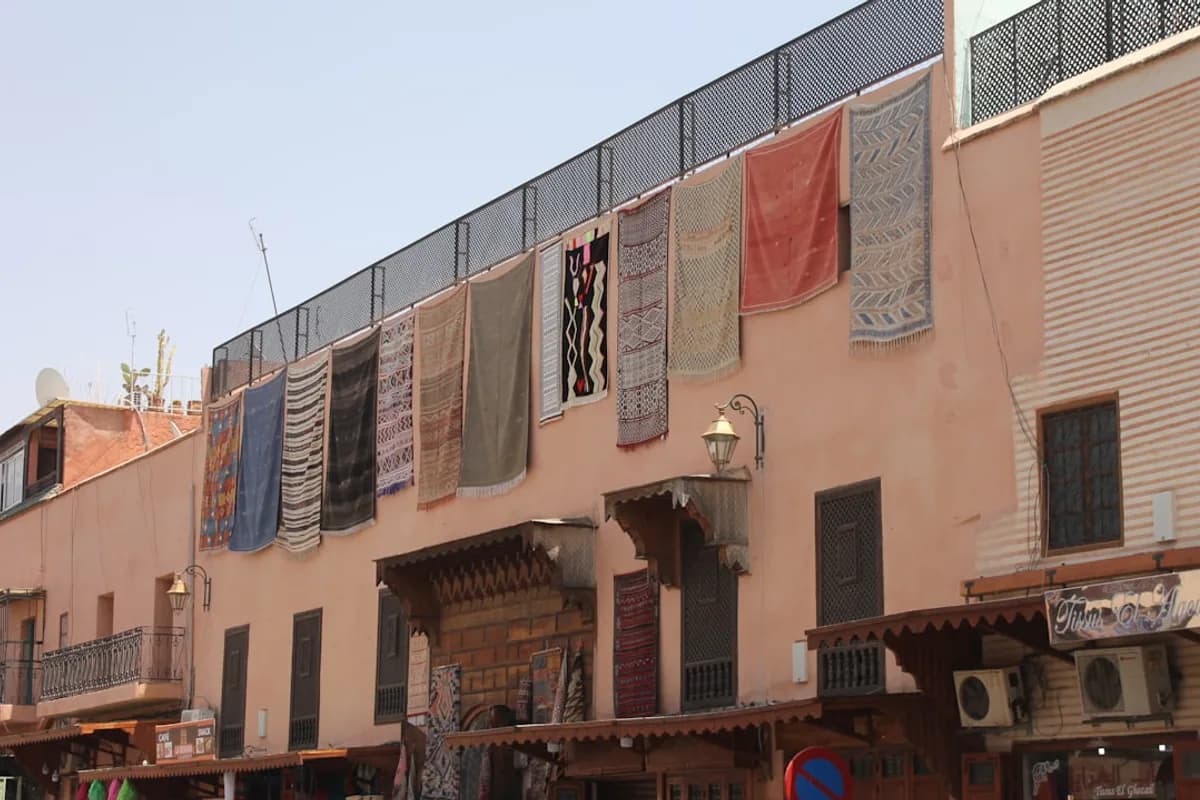
Marrakech for First-Timers: The Ultimate 2026 Guide
First time in Marrakech? This complete guide covers where to stay, what to see, how to navigate the medina, and essential tips for making the most of Morocco's most exciting city.
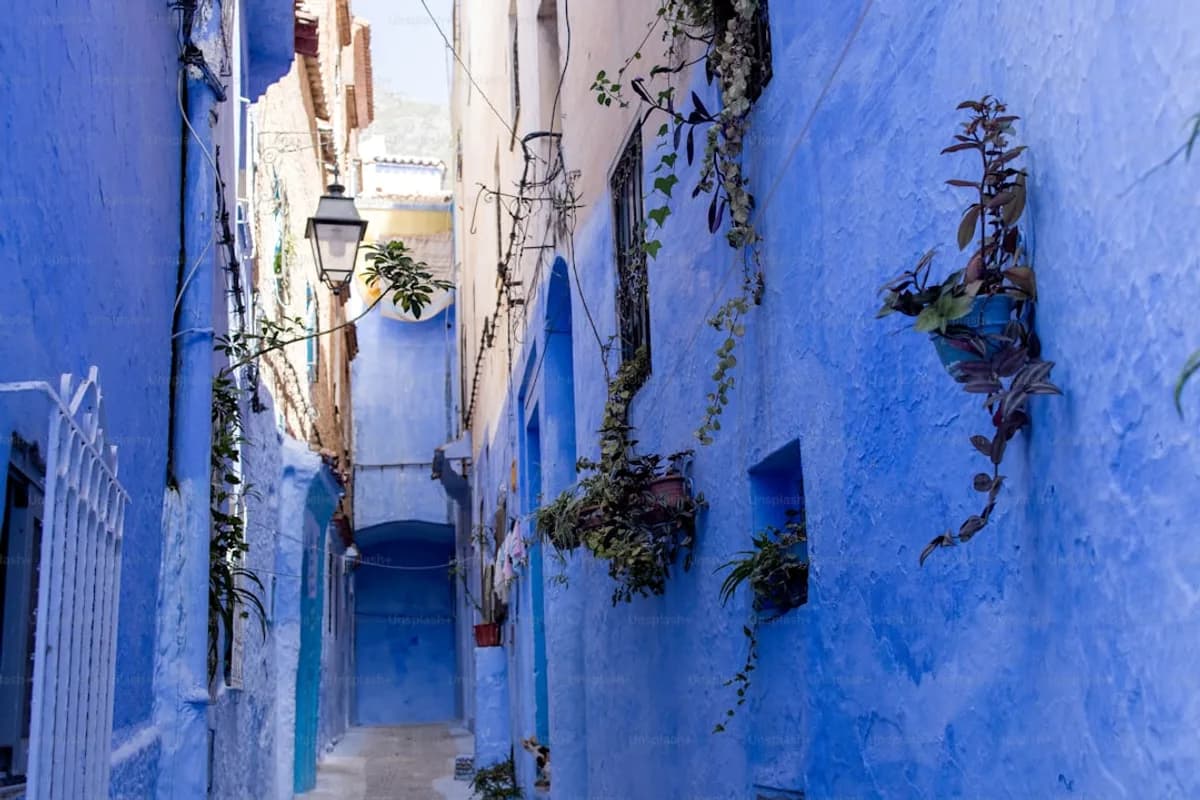
Chefchaouen: The Complete Guide to Morocco's Blue City
Everything you need to know about visiting Chefchaouen — from navigating the blue medina and hiking the Rif Mountains to where to eat, where to stay, and how to get the best photos.
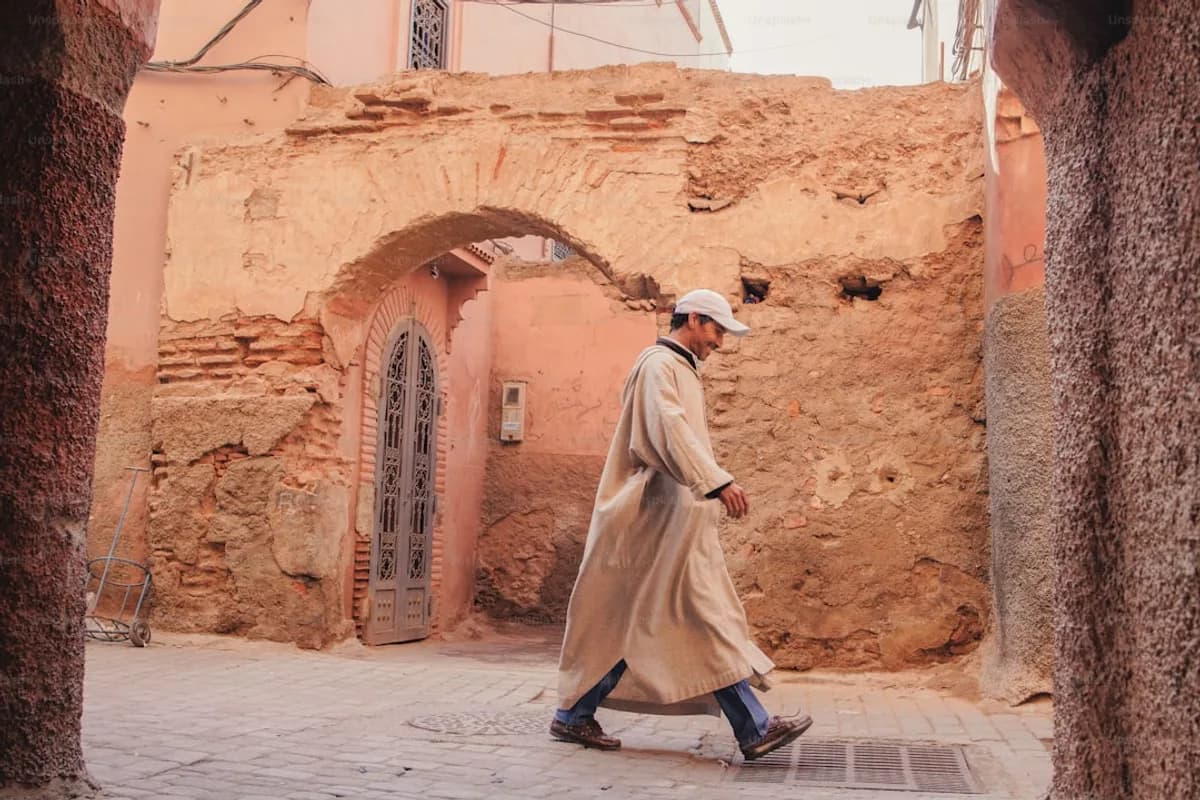
Morocco Safety Tips: Scams to Avoid, Cultural Rules, and How to Stay Safe
Morocco is a safe country for tourists, but knowing the common scams, cultural expectations, and practical safety tips will make your trip smoother. This honest guide covers everything from medina navigation to solo female travel.
Morocco Travel Guide 2026: Everything You Need to Know
The complete guide to traveling in Morocco — from visa requirements and budget tips to cultural etiquette and the best time to visit. Everything first-timers and returning visitors need for an unforgettable trip.
Plan Your Morocco Trip
Book hotels, transport, activities, and get connected with an eSIM
Some links are affiliate links. We may earn a commission at no extra cost to you.