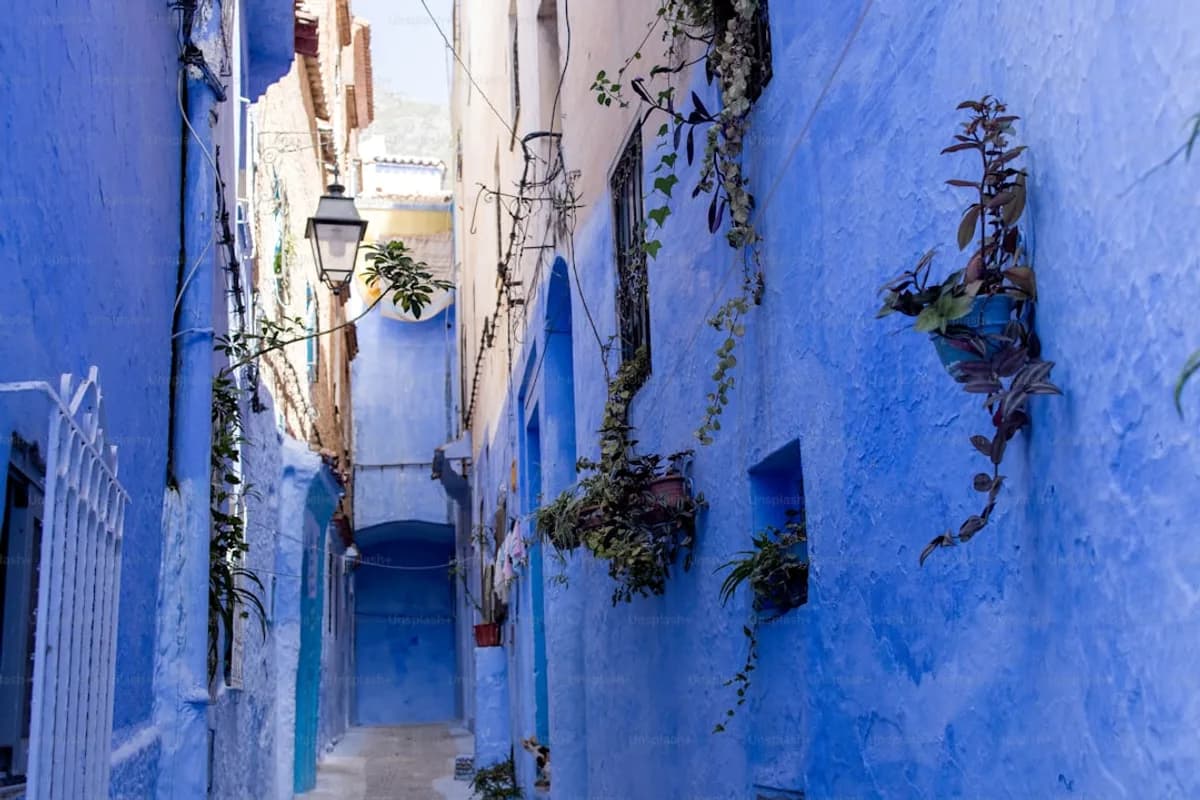
Chefchaouen: The Complete Guide to Morocco's Blue City
Chefchaouen: The Complete Guide to Morocco's Blue City
Chefchaouen (pronounced shef-SHAW-en), nestled in the Rif Mountains at 600 meters elevation, is unlike anywhere else in Morocco. Its compact medina of blue-washed buildings, cascading down a hillside between two mountain peaks, has made it one of the most photographed towns in the world. But beyond the Instagram appeal, Chefchaouen offers excellent hiking, local Rif cuisine, a genuinely relaxed atmosphere, and a welcome contrast to the intensity of Morocco's larger cities.
Why Is It Blue?
The origin of Chefchaouen's blue paint is debated. The most common explanation attributes it to Jewish refugees who settled here in the 1930s, believing that blue represented the sky and heaven, and painting their homes accordingly. Other theories suggest the blue repels mosquitoes, reflects heat, or simply became an aesthetic tradition over time. The blue-washing is maintained today largely for its visual appeal and tourism draw, though it has become a genuine point of local pride.
Getting There
Chefchaouen has no airport or train station. The main options:
- From Fes: CTM bus (4 hours, approximately 75 MAD) or grand taxi (approximately 100 MAD per person shared, 600 MAD private)
- From Tangier: CTM bus (3 hours, approximately 65-80 MAD) or grand taxi
- From Casablanca: CTM bus (approximately 6 hours, with connection)
The approach from both Fes and Tangier is scenic, winding through the Rif Mountains. If arriving by bus from Fes, sit on the right side for the best views.
Where to Stay
Chefchaouen has excellent budget and mid-range accommodation, mostly within or close to the medina.
Budget (50-200 MAD / $5-20): Hostel dorm beds start from 50 MAD. Budget guesthouses with simple rooms and shared bathrooms from 100-200 MAD.
Mid-range (300-800 MAD / $30-80): Charming guesthouses and small riads with blue-painted courtyards, rooftop terraces, and mountain views.
Upscale (800-2,000 MAD / $80-200): Converted riads and boutique hotels like Casa Hassan (a well-known local institution in the medina).
Tip: Choose accommodation with a rooftop terrace for mountain views and an elevated perspective on the blue medina.
What to See and Do
Wander the Blue Medina
The main attraction is the medina itself. Unlike Fes or Marrakech, Chefchaouen's medina is compact, easy to navigate, and completely stress-free — you will not need a guide, and the touts are minimal. Spend hours wandering the stepped, blue-washed lanes, discovering photogenic corners with flowering pots, painted doors, and cats lounging in doorways.
Best times for photos: Early morning (before 9am) or golden hour (1-2 hours before sunset) for the best light and fewest tourists.
Place Outa el-Hammam
The main square is the social heart of the town, with cafe terraces shaded by trees, overlooked by the 15th-century kasbah (now a museum, 10 MAD entry) and the Grand Mosque. Grab a seat, order mint tea, and watch the world go by.
Hike to the Spanish Mosque
The defining viewpoint of Chefchaouen. A 30-minute uphill walk from Ras el-Maa leads to this abandoned mosque on a hilltop with panoramic views of the entire town nestled between two mountain peaks. Bring water and go for sunset — the light on the blue medina is extraordinary.
Ras el-Maa
At the eastern edge of the medina, this natural spring and small waterfall is where locals come to wash clothes and socialize. The area is the gateway between the medina and the countryside, with trails leading up to the Spanish Mosque and beyond into the mountains.
Day Trip to Akchour Waterfalls
Located 30 km from Chefchaouen in Talassemtane National Park, the Akchour area offers two excellent hikes:
- God's Bridge (Pont de Dieu): A natural rock arch over the river, approximately 1 hour from the trailhead.
- Grand Cascade: A 100-meter waterfall reached by a 3-hour round-trip hike along a beautiful river gorge.
Hire a grand taxi to the trailhead (150-200 MAD round trip for the car). Wear proper hiking shoes — the trail can be slippery. Bring water and snacks.
Where to Eat
Chefchaouen's food scene is simple but satisfying, reflecting its Rif Mountain location.
Must-try local specialties:
- Jben — Fresh local goat cheese, served with olive oil and bread
- Bessara — Thick fava bean soup with olive oil and cumin, a Rif breakfast staple
- Mountain tagines — Hearty versions with goat or lamb and local vegetables
- Local honey — Wildflower honey from the surrounding Rif hills
Restaurant recommendations:
- Cafe restaurants on Place Outa el-Hammam: Atmospheric square-side dining with solid Moroccan basics (60-120 MAD)
- Bab Ssour: A popular spot known for good tagines and panoramic views
- Aladdin: A multi-level restaurant in the medina with a terrace and reliable Moroccan cooking
Budget eats: Street food stalls near the main square sell msemen, sandwiches, and grilled meats for 15-40 MAD.
Shopping
Chefchaouen is known for:
- Woven goods — Rif Berber blankets, rugs, and bags
- Goat cheese and honey — Local foodie souvenirs
- Leather goods — Handmade bags, belts, and babouches (leather slippers)
- Blue-painted ceramics — A local specialty reflecting the town's aesthetic
Shopping in Chefchaouen is more relaxed than Marrakech or Fes. Bargaining is still expected but the atmosphere is lower pressure. Prices are generally lower than in the imperial cities.
Practical Tips
- Walking shoes are essential. The medina is steep with lots of steps and slippery cobblestones.
- The town is compact. You can walk from one end of the medina to the other in 20 minutes.
- Cannabis offers: The Rif Mountains are known for cannabis cultivation. You will be offered hashish — politely decline. It is illegal for tourists and engaging can lead to persistent follow-up approaches.
- Altitude: At 600 meters, Chefchaouen is cooler than lowland cities. Bring layers, especially for evenings.
- Cash: ATMs are available near the main square and in the new town, but some smaller guesthouses and shops only accept cash.
How Many Days?
1 day: Enough to wander the medina, take photos, and visit the Spanish Mosque. Possible as a long day trip from Fes or Tangier.
2 days (recommended): Allows a relaxed medina exploration plus a day trip to Akchour Waterfalls or extended hiking.
3+ days: For those who want to decompress. Chefchaouen's laid-back vibe rewards those who slow down. Add hiking in Talassemtane National Park or simply enjoy the medina at different times of day.
FAQ
Is Chefchaouen worth the detour?
Absolutely. While it requires some effort to reach (no airport or train station), Chefchaouen offers an experience unlike any other Moroccan city. The combination of the blue medina, mountain setting, relaxed atmosphere, and excellent hiking makes it a highlight for most visitors.
Is it safe for solo travelers?
Very safe. Chefchaouen has a small-town feel with minimal hassle. Solo female travelers generally feel more comfortable here than in larger Moroccan cities.
When is the best time to visit?
April-May and September-October for the best weather and hiking conditions. Summer is pleasant but crowded. Winter is quieter but rainy.
Can I do it as a day trip?
From Tangier (3 hours each way) or Fes (4 hours each way), a day trip is technically possible but rushed. An overnight stay is strongly recommended.
Why is the town sometimes spelled differently?
You will see Chefchaouen, Chaouen, Xauen, or Chefchaouene. These are different transliterations of the same Arabic name. Chefchaouen is the most common English spelling.
Sources & References
This article is based on first-hand experience and verified with the following official sources:
Go2Morocco Team
Exploring Morocco since 2023 | All 12 regions covered | Updated monthly
We are a team of travel writers and Morocco enthusiasts who explore the country year-round. Our guides are based on first-hand experience, local knowledge, and verified official sources.
More about us →People Also Read
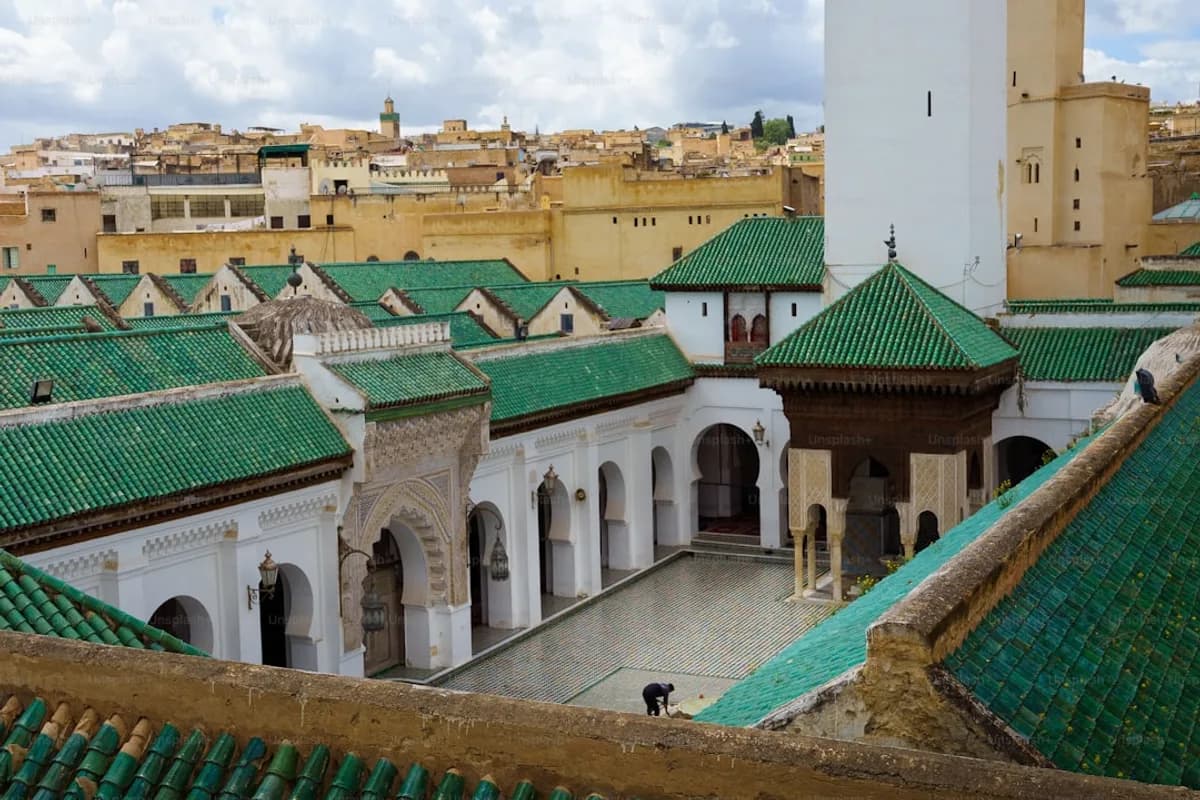
Fes Medina Survival Guide: How to Navigate the World's Largest Car-Free Zone
The medina of Fes el-Bali is the world's largest car-free urban area — and one of the most disorienting. This survival guide gives you the strategies, landmarks, and tips you need to explore with confidence.
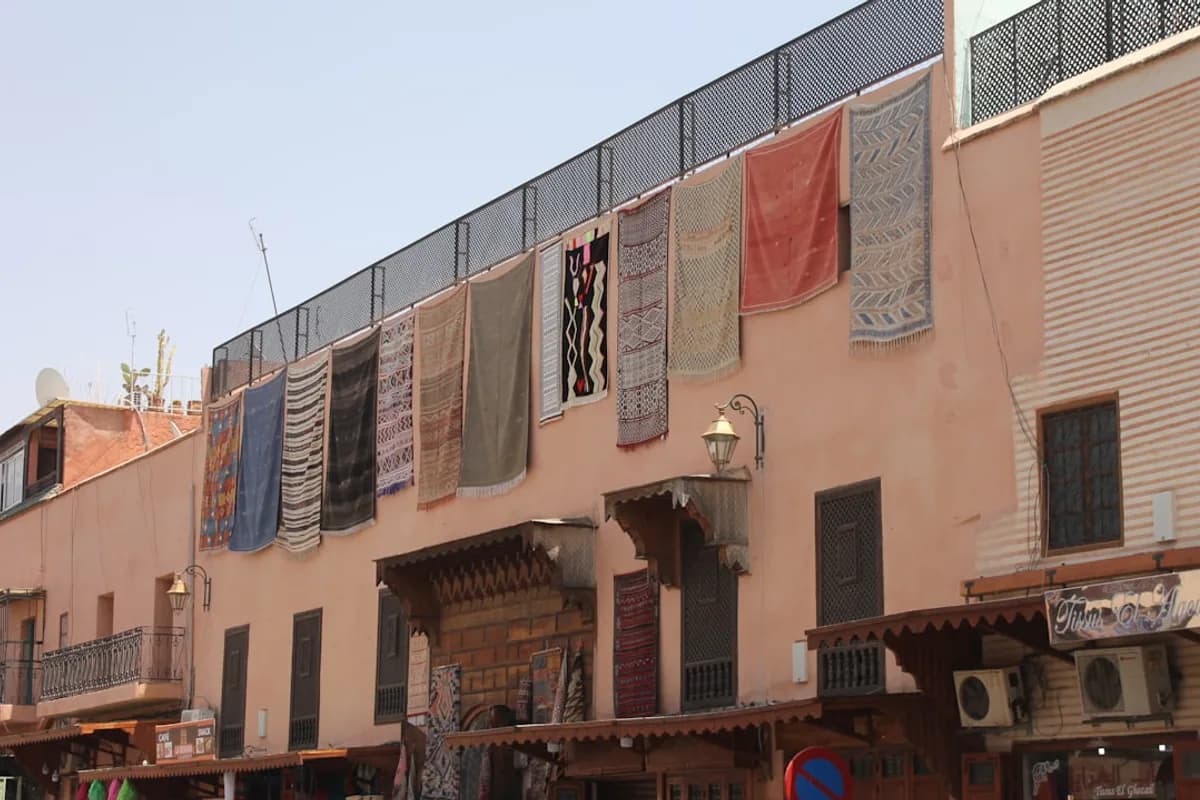
Marrakech for First-Timers: The Ultimate 2026 Guide
First time in Marrakech? This complete guide covers where to stay, what to see, how to navigate the medina, and essential tips for making the most of Morocco's most exciting city.
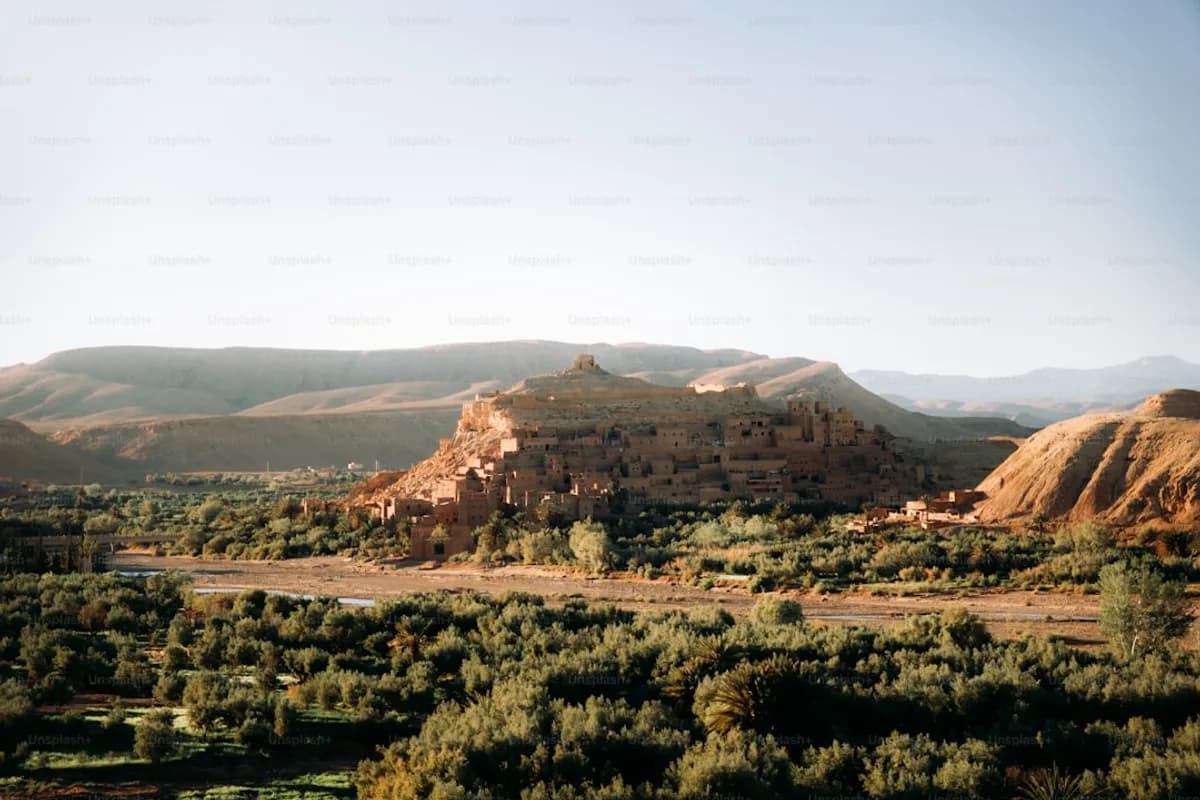
Best Time to Visit Morocco: A Month-by-Month Seasonal Guide
When should you visit Morocco? This detailed month-by-month guide covers weather, festivals, crowds, and prices for every region — so you can plan the perfect trip for any season.
The Complete Guide to Moroccan Food: 15 Dishes You Must Try
From tagine to pastilla, from street-side msemen to the ritual of mint tea — this guide to Moroccan cuisine covers the essential dishes, where to find them, and the cultural traditions behind every meal.
Plan Your Morocco Trip
Book hotels, transport, activities, and get connected with an eSIM
Some links are affiliate links. We may earn a commission at no extra cost to you.